Drone regulations news: new rules for U.S. drone pilots
A dated log of official changes to U.S. drone rules: where you can fly, which drones can be sold here and how you fly.
- In force
- 9entries
- Proposed
- 6entries
- The log starts
- Incidents, company news, rumors
- Nonein the log
The drone regulations news log, newest first
Each entry says what changed, who it affects, which document it comes from and whether it is in force, proposed or already over.
Below the log are earlier rules still in force: Remote ID, and flights over people and at night. This is not a news desk: no incidents, no company news, no rumors.
18 entries, newest first. Each was read in its source document on November 13, 2026.
Prohibited area P-75 over Midtown Manhattan
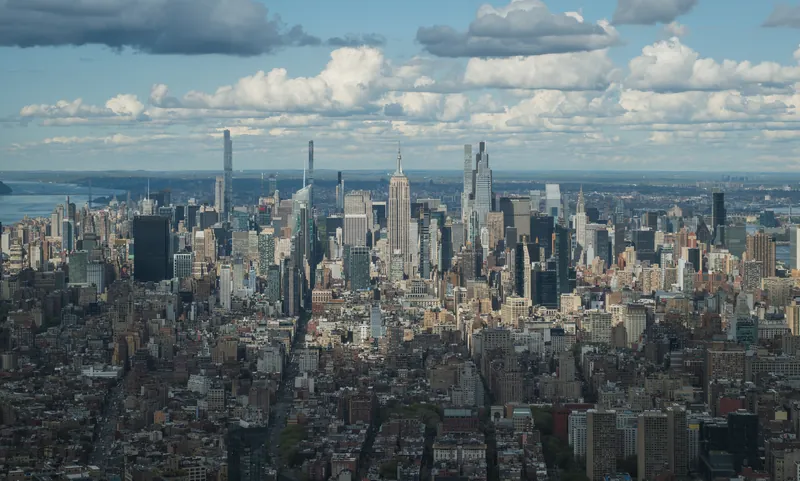
Prohibited area P-75 took effect over Midtown Manhattan: a circle with a 1 nautical mile (1.2 mi) radius centered on Trump Tower, with a flat edge on the East River side, from the surface to 1,000 ft above ground, at all times. No aircraft, drones included, may enter without authorization from the U.S. Secret Service.
- Who it affects
- Anyone who flies a drone in Midtown Manhattan
- Source
- Federal Register, FAA final rule, Establishment of Prohibited Area P-75; New York, NY, 91 FR 48255
On this siteCan I fly here?
Drone TFRs along the southern border
The FAA put temporary flight restrictions for drones along the U.S. southern border in force from October 19, 2026 to October 19, 2027. To fly inside them, a pilot must send a request to U.S. Customs and Border Protection at least 48 hours ahead and receive its acceptance; the exact boundaries and altitudes are in the NOTAMs.
- Who it affects
- Recreational and Part 107 pilots near the U.S. southern border
- Source
- FAA domestic notice, U.S. Southern Border Temporary Flight Restrictions (TFR) for Unmanned Aircraft System (UAS)
On this siteCan I fly here?
FCC rule: component loophole, online marketplaces
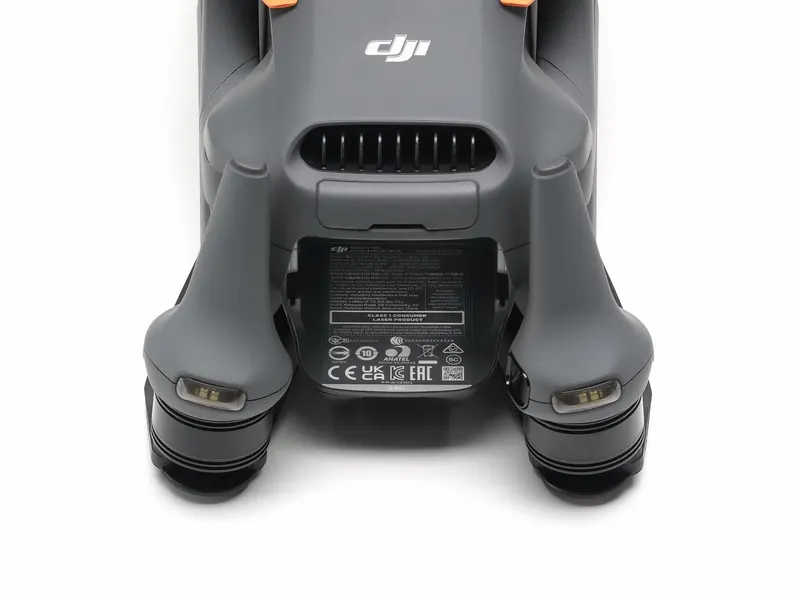
An FCC rule took effect that stops devices built with key parts from Covered List companies from being authorized piece by piece, requires full certification for any change by a listed company, and applies the marketing rules to online marketplaces. Large marketplaces must show each device's FCC ID at the point of sale from March 1, 2027 or June 1, 2027, depending on how they sell.
- Who it affects
- People buying drones and radio parts online; online marketplaces and high-volume sellers (used devices are excluded from the FCC ID display rule)
- Source
- Federal Register, FCC final rule, Third Report and Order FCC 26-50, 91 FR 57798
On this siteDJI ban in the U.S.
Import duties on drones
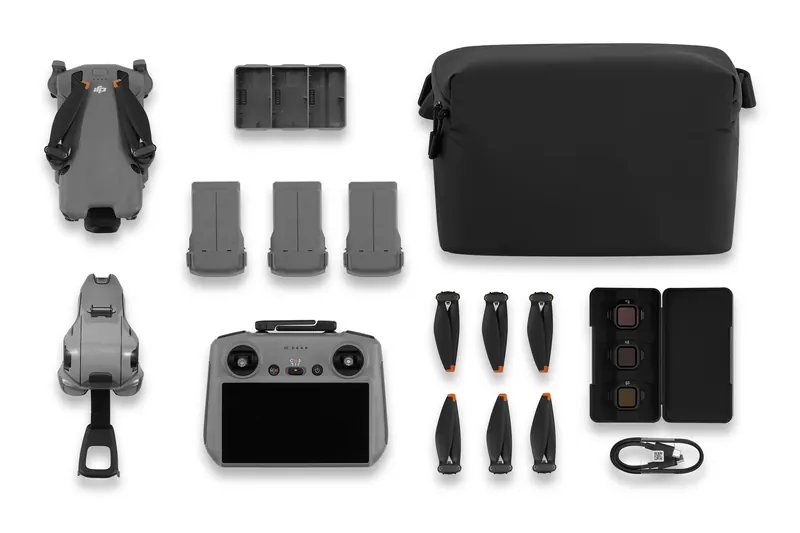
New U.S. import duties on drones took effect: 25 percent on drones with a maximum takeoff weight of 55 lb (25 kg) or less, and 100 percent on heavier drones, drones with thermal imagers, docking stations and some parts. A 25 percent duty on further listed parts starts February 9, 2027.
- Who it affects
- Anyone buying a drone made abroad; importers and sellers
- Source
- Federal Register, Proclamation 11055 of August 13, 2026, 91 FR 53699
On this siteDJI ban in the U.S.
Special air traffic rules, Palm Beach
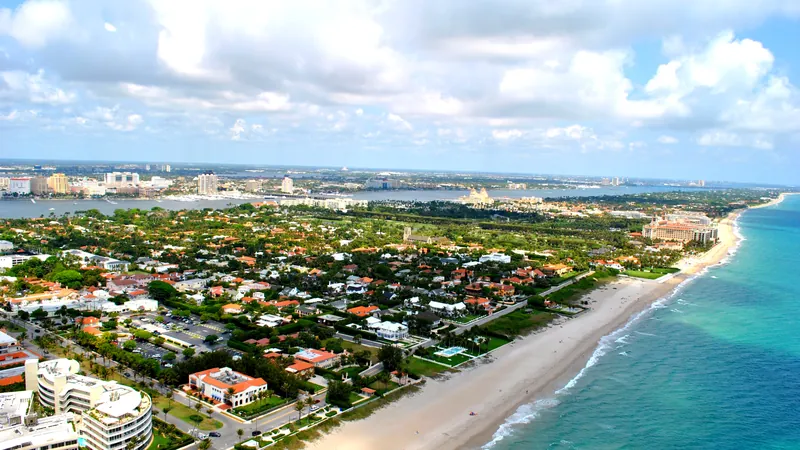
The FAA proposed special air traffic rules for an area with a 1 nautical mile (1.2 mi) radius, from the surface to 2,000 ft above sea level, in Palm Beach, Florida, near the airport the proposal calls President Donald J. Trump International Airport (formerly Palm Beach International). Aircraft could enter only under listed conditions. Proposal only; comments closed October 2, 2026.
- Who it affects
- Pilots who fly in Palm Beach, Florida
- Source
- Federal Register, FAA proposed rule, 91 FR 56380, docket FAA-2026-10827
FCC: Anzu equipment
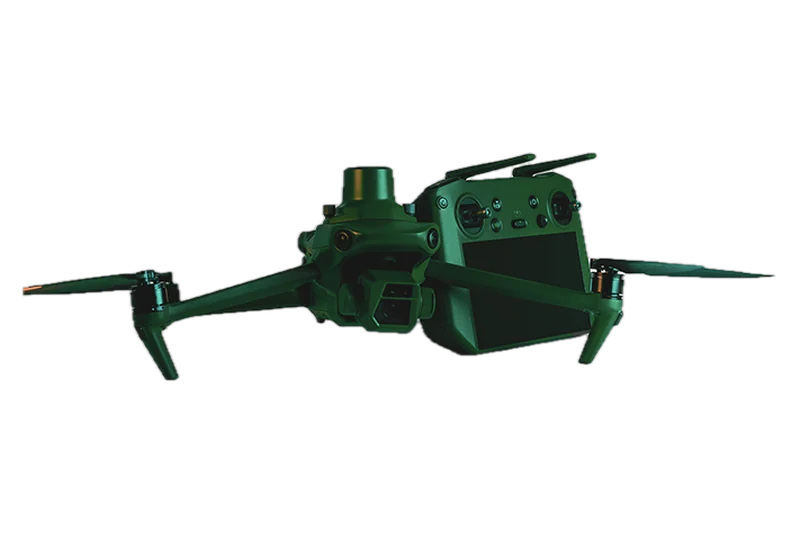
The FCC proposed to end further import and marketing of drone equipment from Anzu, a U.S. drone company, listed by FCC IDs 2BBYS-RAPTOR and 2BBYS-RRC01, which it tentatively treats as section 1709 equipment. Proposal only; devices already bought would stay authorized for use.
- Who it affects
- Shoppers for Anzu drones; current owners keep using them
- Source
- Federal Register, FCC public notice seeking comment, 91 FR 54713, PS Docket 26-184
On this siteDJI ban in the U.S.
FCC: large and specialized foreign drones
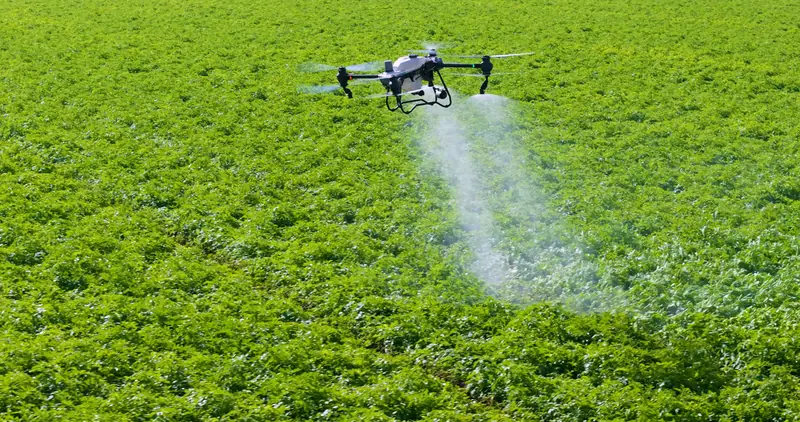
The FCC proposed to end further import and marketing of some previously authorized foreign-made drone classes, among them drones of 55 lb or more, spray drones, drones with thermal or lidar sensors, docking stations, and swarm or light-show drones. Proposal only; drones already owned would stay usable.
- Who it affects
- Farm, inspection and light-show operators who buy large or specialized drones
- Source
- Federal Register, FCC public notice seeking comment, 91 FR 48870, PS Docket 26-189
On this siteDJI ban in the U.S.
FCC: nine named drone makers
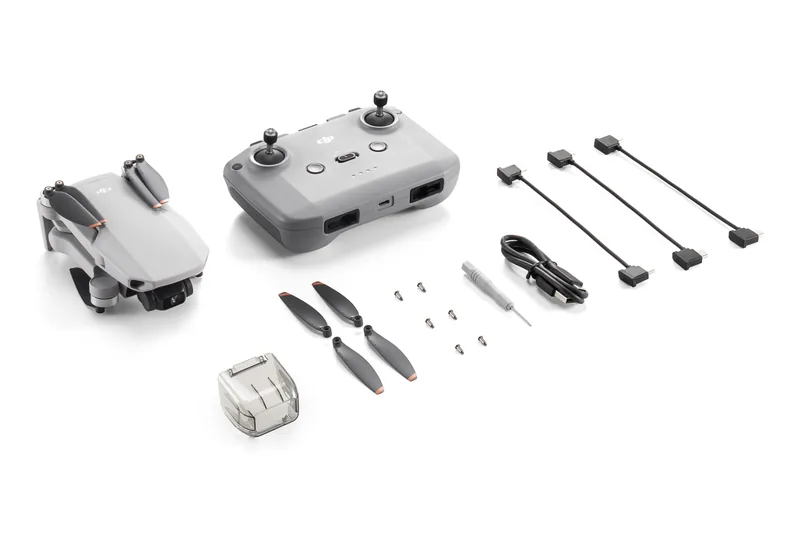
The FCC proposed to end further import and marketing of previously authorized drones from nine named companies: Cogito, Fikaxo, Lyno Dynamics, Skyhigh Tech, Spatial Hover, SZ Knowact, WaveGo, Xtra and XAG. Proposal only; it would not affect the use of drones people already own.
- Who it affects
- Shoppers for these brands; current owners keep using what they have
- Source
- Federal Register, FCC public notice seeking comment, 91 FR 48108, PS Docket 26-184
On this siteDJI ban in the U.S.

FCC: exemptions extended to 2028
The FCC extended the exemption for drones and parts on the Blue UAS Cleared List and for Buy American domestic end products until January 1, 2028, and removed the December 31, 2026 end date from Conditional Approvals for foreign-made drones.
- Who it affects
- Buyers and makers of exempt or conditionally approved drones
- Source
- FCC public notice DA 26-761, Public Safety and Homeland Security Bureau
On this siteDJI ban in the U.S.
FCC: toy drones off the Covered List
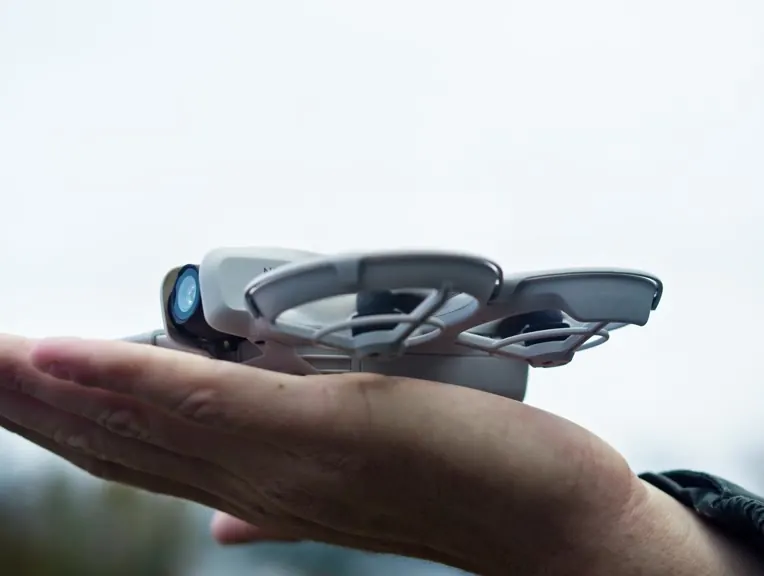
The FCC removed toy drones from the Covered List. A drone counts as a toy only if it meets every listed condition, among them 0.33 lb (150 g) or less, line-of-sight flight within 330 ft (100 m), no higher than 300 ft, no GPS and no camera or sensors, and it is sold as a toy.
- Who it affects
- Buyers and sellers of small toy drones
- Source
- FCC public notice DA 26-588, Public Safety and Homeland Security Bureau
On this siteDJI ban in the U.S.
FIFA World Cup no-drone zones
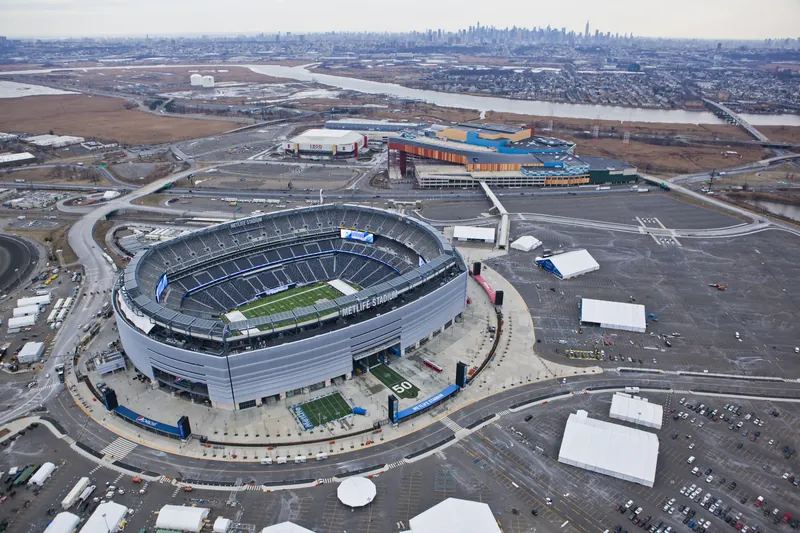
The FAA announced no-drone zones for the FIFA World Cup 2026: on match days no aircraft, drones included, within 3 nautical miles (3.5 mi) and up to 3,000 ft above ground of the listed stadiums, and no drones within 1 nautical mile (1.2 mi) and up to 1,000 ft at listed fan events, between June 9 and July 19, 2026. These restrictions have ended.
- Who it affects
- Anyone who flew near the host stadiums and fan sites; fines of up to $100,000 were announced
- Source
- FAA newsroom, FAA Establishes No Drone Zones for FIFA World Cup 2026 Stadiums, Fan Events and Base Camps, May 28, 2026
FCC: update waiver to 2029
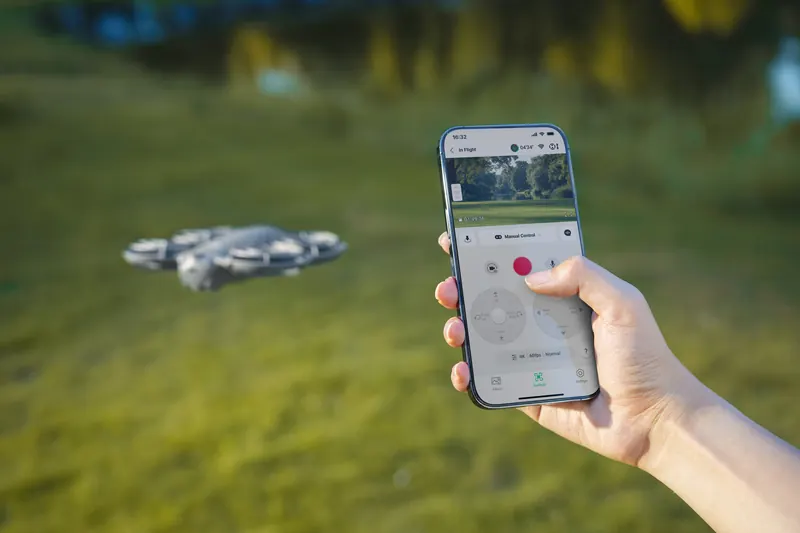
The FCC extended the update waiver at least until January 1, 2029 and widened it to Class II permissive changes, so drones authorized before their maker was listed can keep getting software and firmware updates that protect users.
- Who it affects
- Owners of drones already sold in the U.S.
- Source
- FCC public notice DA 26-454, Office of Engineering and Technology
On this siteDJI ban in the U.S.

Fixed-site drone restrictions
The FAA proposed a process under which owners of certain fixed sites, such as energy plants, refineries, chemical plants, rail facilities and amusement parks, could ask for a drone flight restriction over their site; the proposal also lists the flights still allowed inside one. Proposal only: comments closed August 5, 2026 after an extension.
- Who it affects
- Recreational and Part 107 pilots who fly near such sites
- Source
- Federal Register, FAA proposed rule, Designation-Restrict the Operation of Unmanned Aircraft in Close Proximity to a Fixed Site Facility, 91 FR 24650, docket FAA-2026-4558
On this siteFlying over private property
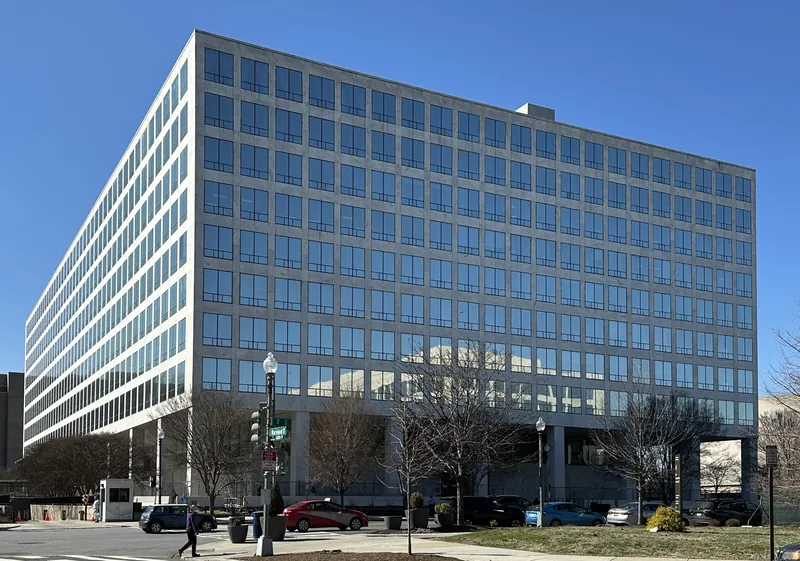
FAA DETER settlement policy
The FAA started DETER, a fast settlement policy for drone cases. A qualifying first-time individual violator can settle within 10 days by paying a reduced penalty, serving a certificate suspension or completing corrective action, in return for admitting the violation and giving up an appeal; cases involving a temporary flight restriction under 14 CFR 91.141 or egregious conduct are excluded.
- Who it affects
- Recreational and Part 107 pilots who face an FAA enforcement case
- Source
- Federal Register, FAA enforcement policy, Settlement Policy for Small Unmanned Aircraft System (UAS) Cases, 91 FR 20578
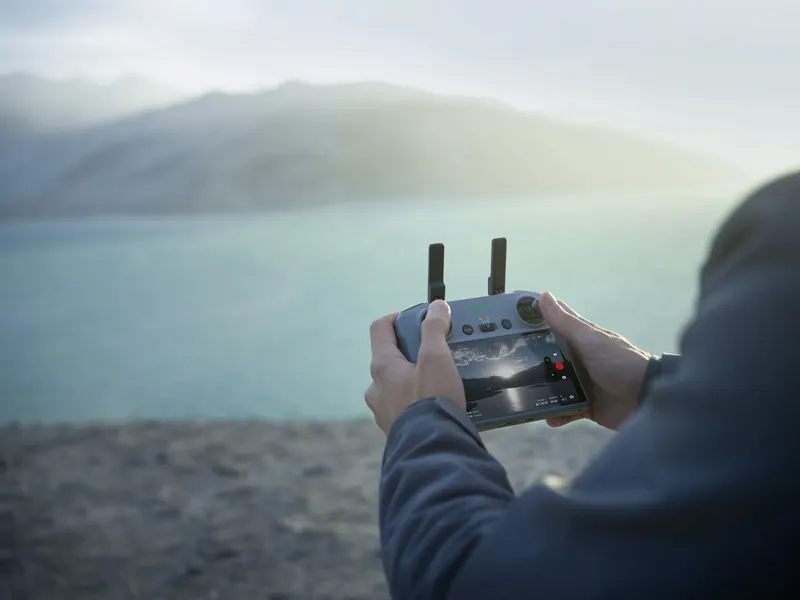
FCC: updates keep coming
The FCC let every drone already authorized in the U.S. keep receiving software and firmware updates that protect users, such as security patches, at least until January 1, 2027.
- Who it affects
- Owners of drones already sold in the U.S., including models whose maker is on the Covered List
- Source
- FCC public notice DA 26-69, Office of Engineering and Technology
On this siteDJI ban in the U.S.
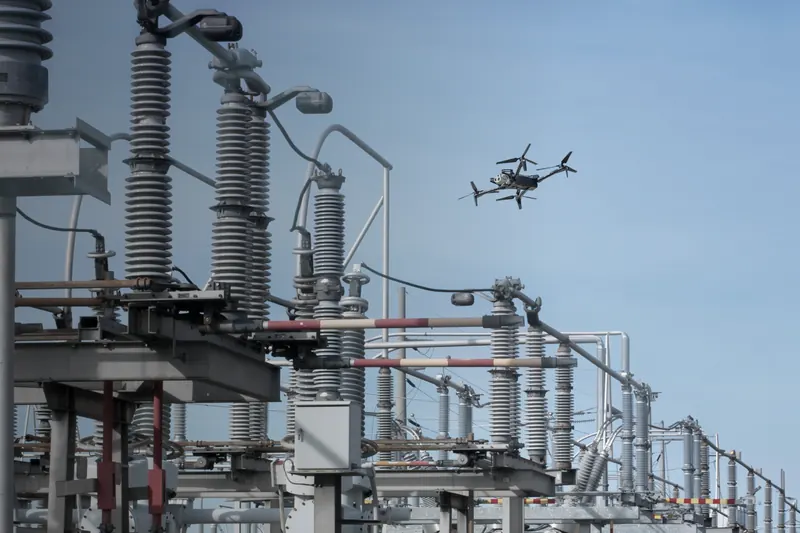
FCC: Blue UAS and Buy American exemption
The FCC exempted two groups from the new drone listing until January 1, 2027: drones and parts on the Blue UAS Cleared List, and those that qualify as domestic end products under the Buy American standard.
- Who it affects
- Buyers and makers of U.S.-made drones and of drones on the Blue UAS Cleared List
- Source
- FCC public notice DA 26-22, Public Safety and Homeland Security Bureau
On this siteDJI ban in the U.S.
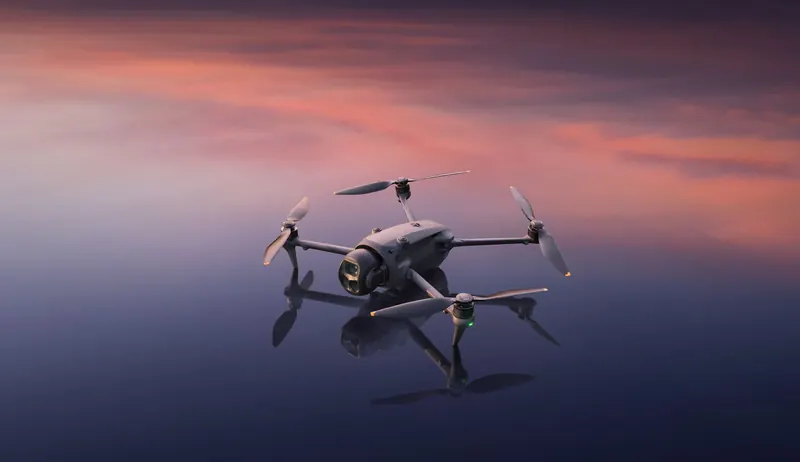
FCC: foreign-made drones on the Covered List
The FCC added drones and drone critical components produced abroad, and the equipment named in section 1709 of the FY2025 defense authorization act, to its Covered List. Equipment on the list cannot receive a new FCC equipment authorization, which a new drone model needs before it can be sold in the U.S.
- Who it affects
- People shopping for a new drone model, makers and importers; models authorized before the listing are not barred from sale by this step
- Source
- FCC public notice DA 25-1086, Public Safety and Homeland Security Bureau
On this siteDJI ban in the U.S.
Part 108 beyond visual line of sight
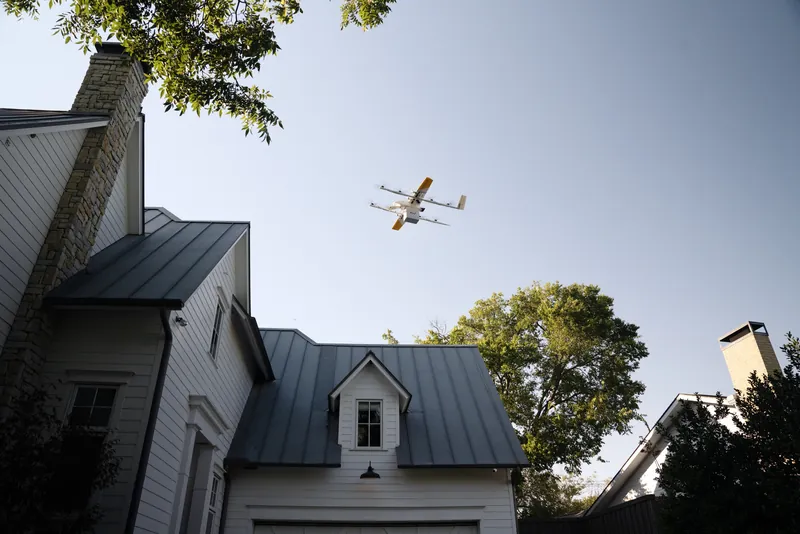
The FAA and TSA proposed Part 108, a new set of rules for flying drones at low altitude beyond visual line of sight, with two kinds of approval: permits and certificates. Proposal only: the Federal Register shows no final rule as of the read date.
- Who it affects
- Pilots and businesses that want to fly beyond visual line of sight, such as delivery, farm and survey work; the proposal also names recreation
- Source
- Federal Register, FAA and TSA proposed rule, 90 FR 38212, docket FAA-2025-1908
Earlier changes still in force
The log starts on .
The rules below began to apply before then and still apply today, so they sit here, apart from the log and its filters. Each is dated by the day it began to apply and was read in its final rule in the Federal Register and in the current text of the regulation.
3 earlier changes still in force, newest first. Each was read in its source document on November 13, 2026.
Remote ID becomes a flying requirement
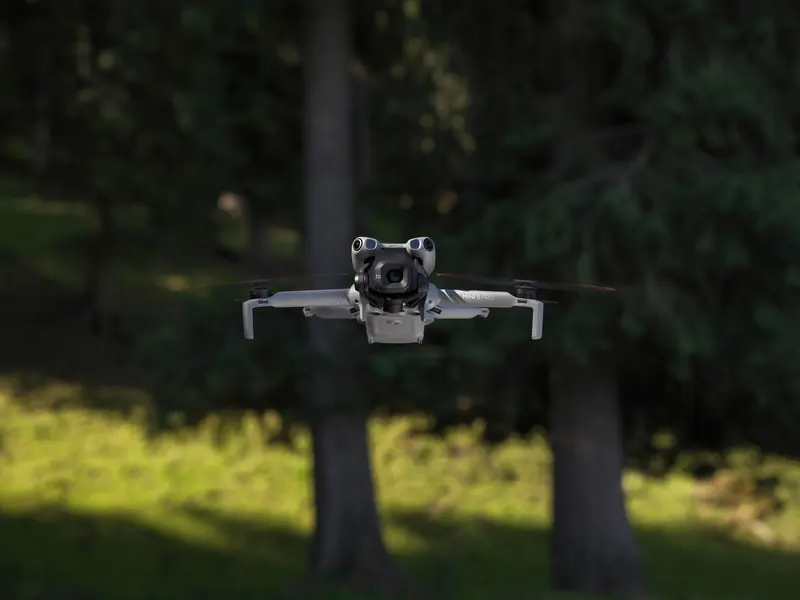
Remote ID became a flying requirement: after September 16, 2023, a drone that is registered or must be registered may fly only if it sends out its identity and location in flight, either from Remote ID built into the drone or from a broadcast module attached to it and kept in the pilot's sight, or if the drone and the person at the controls stay inside an FAA-recognized identification area (FRIA), with the drone in sight. The rule itself took effect on April 21, 2021; among its stated aims are safety, national security and law enforcement concerns. For pilots not yet compliant through March 16, 2024, the FAA said it would weigh all the circumstances before deciding on enforcement.
- Who it affects
- Everyone flying a drone that is registered or required to be registered with the FAA, for recreation, business or public safety
- Source
- Federal Register, FAA final rule, Remote Identification of Unmanned Aircraft, 86 FR 4390 (14 CFR part 89), its effective date moved to April 21, 2021 by 86 FR 13629, and the FAA enforcement policy of 88 FR 63518; FAA page Remote Identification of Drones
On this siteBest drones for beginners
Part 107 flights over people and at night
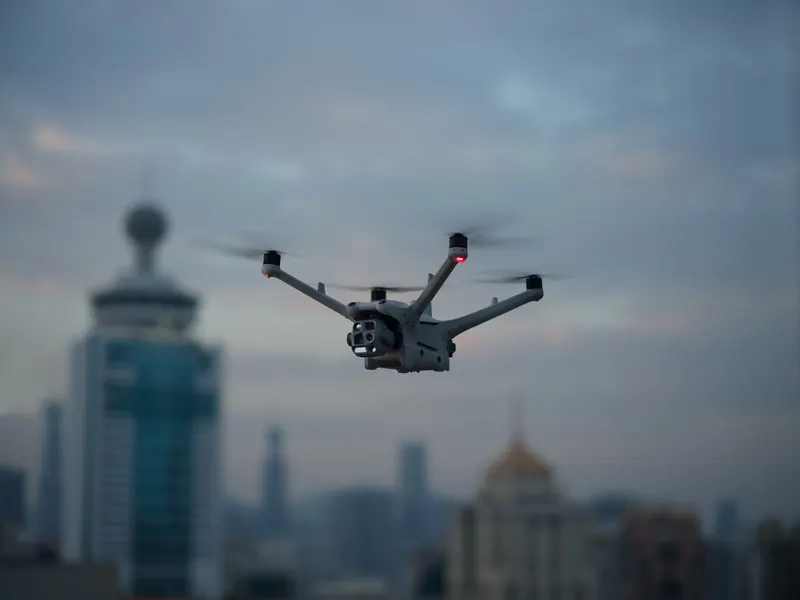
Part 107 pilots may fly drones over people and at night without a waiver, under conditions. At night the drone must show lit anti-collision lights visible for at least 3 statute miles, and the pilot must have completed the initial knowledge test or training after April 6, 2021. Flight over people is sorted into four categories by the drone's weight and design; Category 1 covers drones of 0.55 lb (249 g) or less, everything on board included, with no exposed spinning parts that could cut skin. The same rule added federal, state and local law enforcement officers to the people a pilot must show the remote pilot certificate and an ID to when asked.
- Who it affects
- Pilots who fly under Part 107, and people on the ground under their flights
- Source
- Federal Register, FAA final rule, Operation of Small Unmanned Aircraft Systems Over People, 86 FR 4314, its effective date moved to April 21, 2021 by 86 FR 13630; 14 CFR 107.7, 107.29, 107.39 and 107.110
On this sitePart 107 practice test
The Remote ID and over-people rules issued
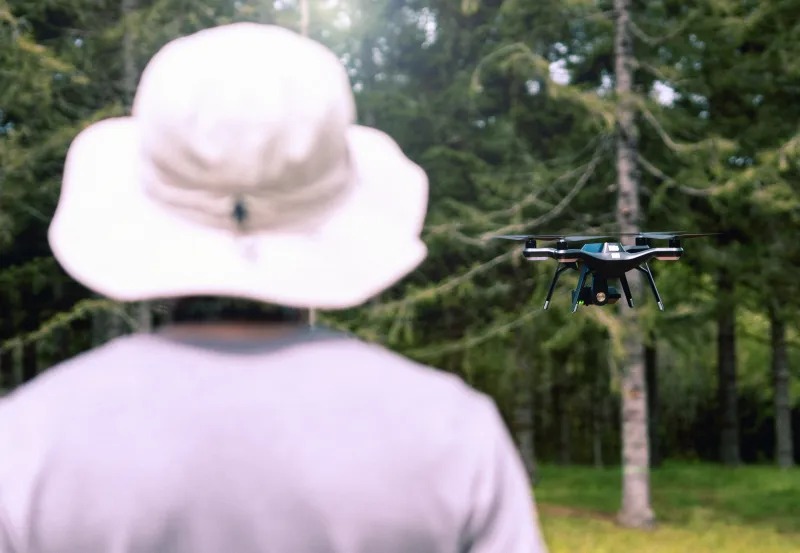
The FAA issued two final rules on the same day: one requiring Remote ID, the other letting Part 107 pilots fly over people and at night under conditions. Both took effect on April 21, 2021. Announcing them, FAA Administrator Steve Dickson said they “get us closer to the day when we will more routinely see drone operations such as the delivery of packages.”
- Who it affects
- Every pilot whose drone must be registered, and Part 107 pilots
- Source
- FAA news release, U.S. Department of Transportation Issues Two Much-Anticipated Drone Rules to Advance Safety and Innovation in the United States, December 28, 2020
About this drone regulations news log
What goes in, what stays out, and how often we check.
What goes in this log. An entry is an official change, published or taking effect, that changes where you may fly a drone in the U.S., which drones can be sold, imported or updated here, or the rules and enforcement you fly under. Proposals go in when the agency publishes them and are marked Proposed until a final rule or order replaces them. Each entry names the document it comes from, and we read that document before the entry goes up.
What stays out. Incidents and sightings, company and product news, court cases until a ruling changes a rule, short routine flight restrictions, steps in a comment period, and administrative edits that change nothing for a pilot. State laws are covered in the state guides.
How often we check. Every week we read the Federal Register for FAA and FCC drone documents, the FAA's newsroom and domestic notices, and the FCC Covered List. Open proposals are followed until they are final or withdrawn. If an entry is wrong, write to support@windhorse.aero and we correct it and note the date of the correction.
Related pages
Where these changes meet your own flight.
Sources
Documents are named, not linked. Each was read on November 13, 2026, and every status that could have moved was read again on the day the log was last checked.
FAA
- Federal Register, FAA final rule, Establishment of Prohibited Area P-75; New York, NY, 91 FR 48255: the entry of October 29, 2026
- FAA domestic notice, U.S. Southern Border Temporary Flight Restrictions (TFR) for Unmanned Aircraft System (UAS): the entry of October 19, 2026
- Federal Register, FAA proposed rule, 91 FR 56380, docket FAA-2026-10827: the entry of September 2, 2026
- FAA newsroom, FAA Establishes No Drone Zones for FIFA World Cup 2026 Stadiums, Fan Events and Base Camps, May 28, 2026: the entry of May 28, 2026
- Federal Register, FAA proposed rule, Designation-Restrict the Operation of Unmanned Aircraft in Close Proximity to a Fixed Site Facility, 91 FR 24650, docket FAA-2026-4558: the entry of May 6, 2026
- Federal Register, FAA enforcement policy, Settlement Policy for Small Unmanned Aircraft System (UAS) Cases, 91 FR 20578: the entry of April 17, 2026
- Federal Register, FAA and TSA proposed rule, 90 FR 38212, docket FAA-2025-1908: the entry of August 7, 2025
- Federal Register, FAA final rule, Remote Identification of Unmanned Aircraft, 86 FR 4390 (14 CFR part 89), its effective date moved to April 21, 2021 by 86 FR 13629, and the FAA enforcement policy of 88 FR 63518; FAA page Remote Identification of Drones: the entry of September 16, 2023
- Federal Register, FAA final rule, Operation of Small Unmanned Aircraft Systems Over People, 86 FR 4314, its effective date moved to April 21, 2021 by 86 FR 13630; 14 CFR 107.7, 107.29, 107.39 and 107.110: the entry of April 21, 2021
- FAA news release, U.S. Department of Transportation Issues Two Much-Anticipated Drone Rules to Advance Safety and Innovation in the United States, December 28, 2020: the entry of December 28, 2020
FCC
- Federal Register, FCC final rule, Third Report and Order FCC 26-50, 91 FR 57798: the entry of October 13, 2026
- Federal Register, FCC public notice seeking comment, 91 FR 54713, PS Docket 26-184: the entry of August 24, 2026
- Federal Register, FCC public notice seeking comment, 91 FR 48870, PS Docket 26-189: the entry of August 3, 2026
- Federal Register, FCC public notice seeking comment, 91 FR 48108, PS Docket 26-184: the entry of July 30, 2026
- FCC public notice DA 26-761, Public Safety and Homeland Security Bureau: the entry of July 21, 2026
- FCC public notice DA 26-588, Public Safety and Homeland Security Bureau: the entry of June 15, 2026
- FCC public notice DA 26-454, Office of Engineering and Technology: the entry of May 8, 2026
- FCC public notice DA 26-69, Office of Engineering and Technology: the entry of January 21, 2026
- FCC public notice DA 26-22, Public Safety and Homeland Security Bureau: the entry of January 7, 2026
- FCC public notice DA 25-1086, Public Safety and Homeland Security Bureau: the entry of December 22, 2025
The President
- Federal Register, Proclamation 11055 of August 13, 2026, 91 FR 53699: the entry of September 3, 2026
Photos: DJI press images. Product photos by Anzu Robotics, DJI, Skydio and Wing. Carol M. Highsmith, Library of Congress and BLM (public domain). Wikimedia Commons: Midtown Manhattan by Christian David (CC BY-SA 4.0), Palm Beach by Michael Kagdis (CC BY-SA 3.0), Meadowlands Stadium by Anthony Quintano (CC BY 2.0) and Orville Wright Building by APK (CC BY 4.0).