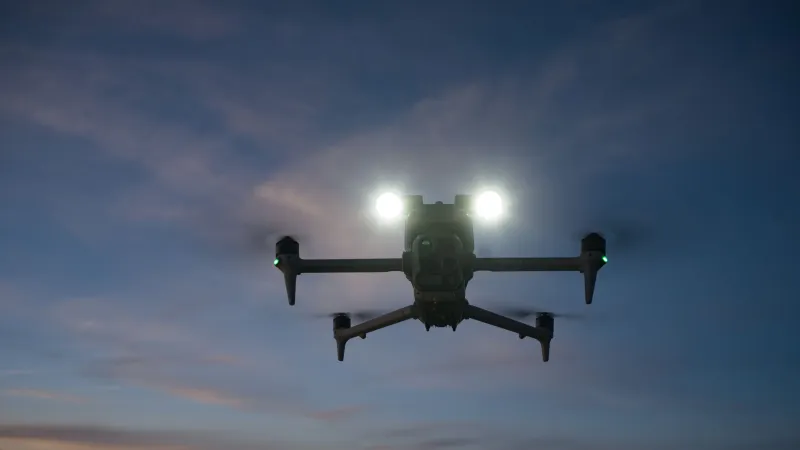
Drone pilot jobs
Open drone jobs at U.S. employers, read from their own job boards every week: where the job is, the pay when the posting gives it, and whether it asks for Part 107.
Updated weekly · pay when posted · by state
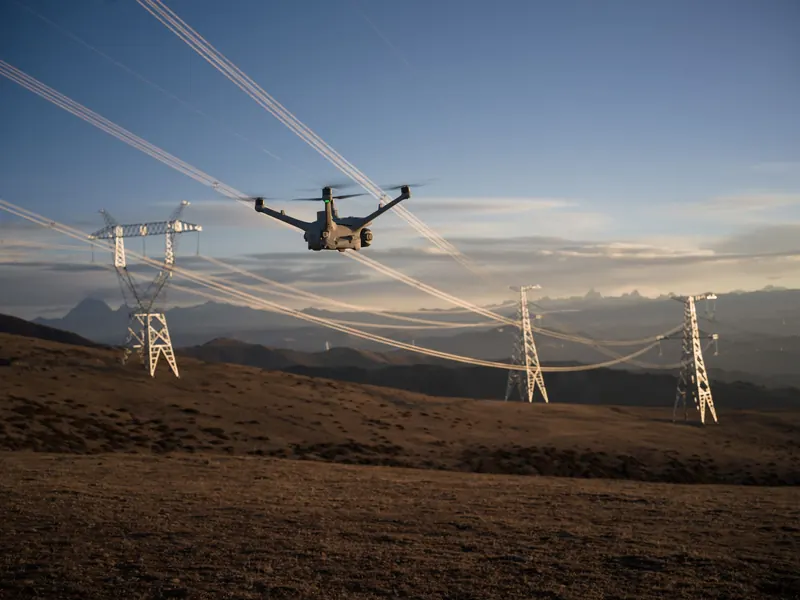
Drones for commercial use fly under Part 107: the FAA calls it the default rule for drones under 55 pounds, and a flight for compensation, “monetary or otherwise”, or in furtherance of a business is not recreational.
A small drone is one under 55 pounds at takeoff, everything on board counted, and the FAA calls Part 107 the default rule for it: almost all flying that is not recreational falls under it.
The rule follows the flight, not the drone:
Recreational purposes leave out flights for compensation, “monetary or otherwise”, and flights “in furtherance of a business”, so drones for commercial purposes fly under Part 107.
The FAA's own examples of commercial applications are taking photos to help sell a property or service, roof inspections, and pictures of a high school football game for the school's website.
Pay alone does not decide. The FAA says compensation “is not what determines” whether a flight was recreational, and volunteering a drone to survey coastlines for a non-profit is not recreational either.
The FAA lists commercial package delivery beyond visual line of sight and agricultural spraying as non-recreational operations under Part 91, outside Part 107.
Delivery services go through the FAA's Part 135 certification process, plus an exemption or waiver to fly beyond visual line of sight; spraying needs a Part 137 certificate.
Part 107's remote pilot in command needs the FAA's remote pilot certificate, and pay alone does not decide: when in doubt, the FAA says, assume Part 107.
To fly a drone for work, the remote pilot in command holds the FAA's remote pilot certificate (14 CFR 107.12).
You must be at least 16 and able to read, speak, write and understand English (14 CFR 107.61), and pass the knowledge test, for which test centers charge “approximately $175”.
About $175Every drone flown under Part 107 is registered, whatever it weighs, at $5 for three years.
$5 / droneA drone that needs a registration number must also broadcast Remote ID.
BroadcastEvery step to the certificate is in our drone license guide. Below are the official FAA and BLS figures on commercial drone work, what each kind of job asks beyond the certificate, and where the drones themselves are compared.
Every kind of commercial drone work starts from the same certificate, and each adds rules of its own.
Open drone jobs at U.S. employers, read from their own job boards every week: where the job is, the pay when the posting gives it, and whether it asks for Part 107.
Updated weekly · pay when posted · by state
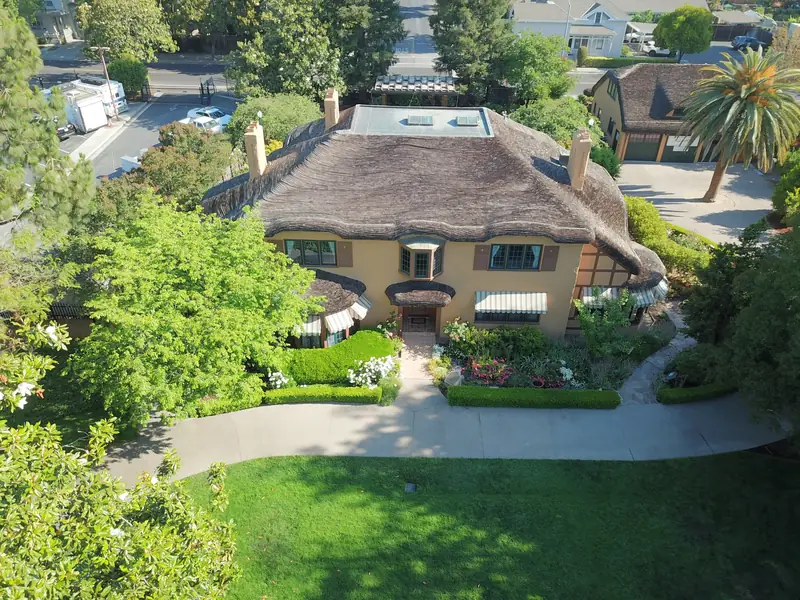
Taking photos to help sell a property is the FAA's own first example of a flight under Part 107.
Airspace · people and cars · twilight
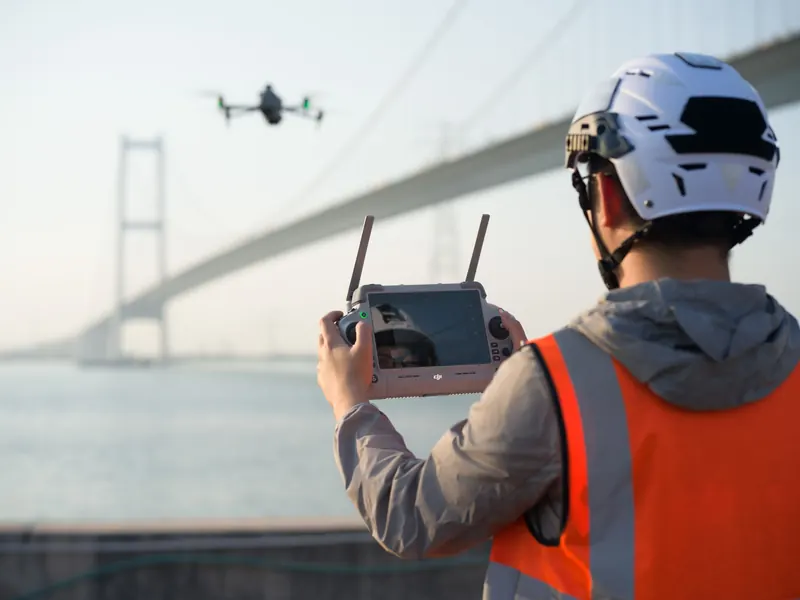
The FAA lists roof inspections among its examples of Part 107 flights; the guide covers a roof, a tower, an industrial site or a pipeline.
Line of sight · towers · workers below
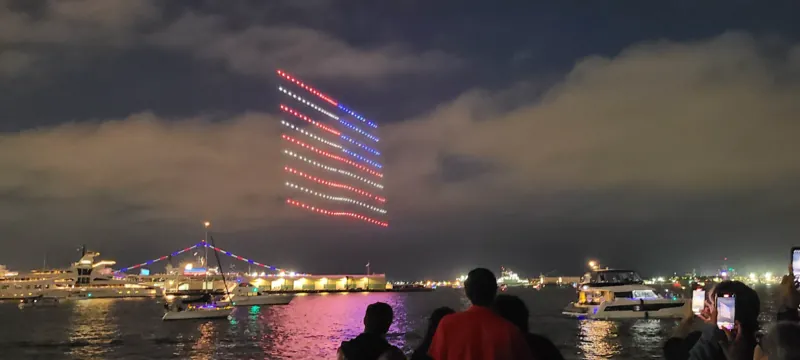
A show flies hundreds of drones under an FAA waiver of the one-pilot, one-drone rule; find a public show near you or price one for your event.
Show finder · cost calculator
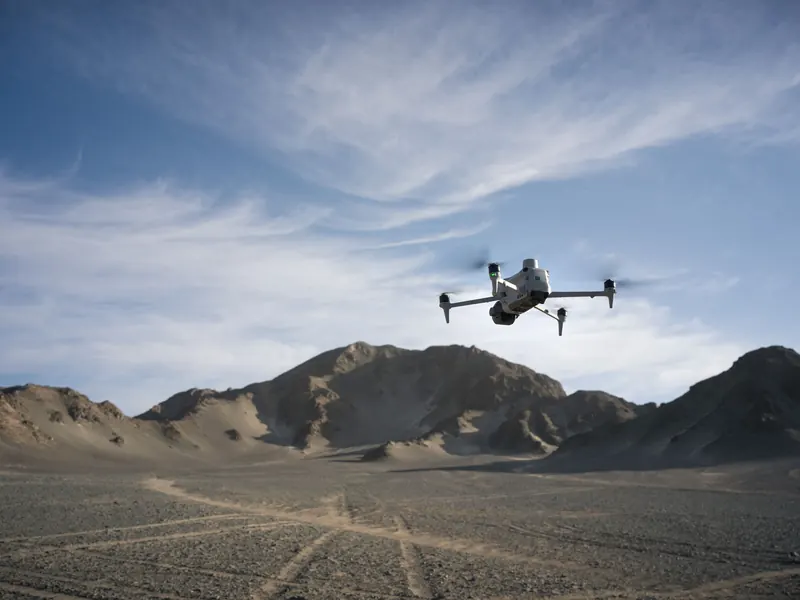
Software turns overlapping photos into measured maps; selling a map as an authoritative survey can be land surveying under state law.
GSD · ground control · state law
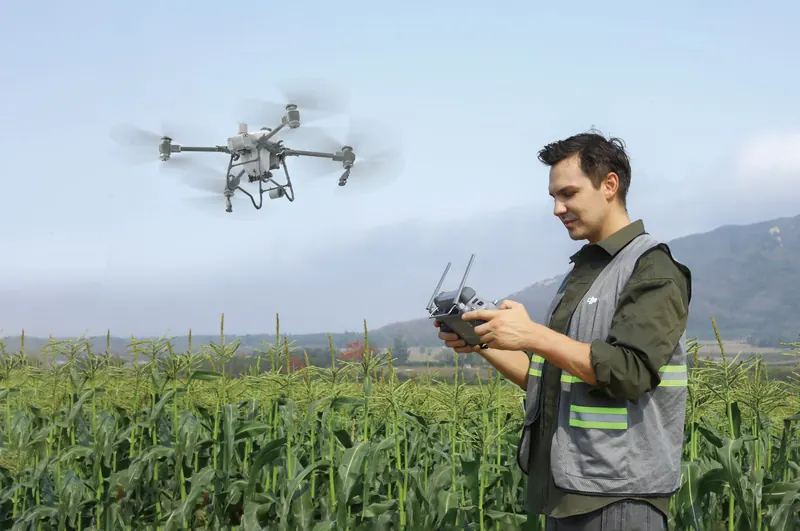
A flight that only looks at a field falls under Part 107; spraying or spreading also needs an FAA exemption and a Part 137 operator certificate.
Part 107 · Part 137 · the label
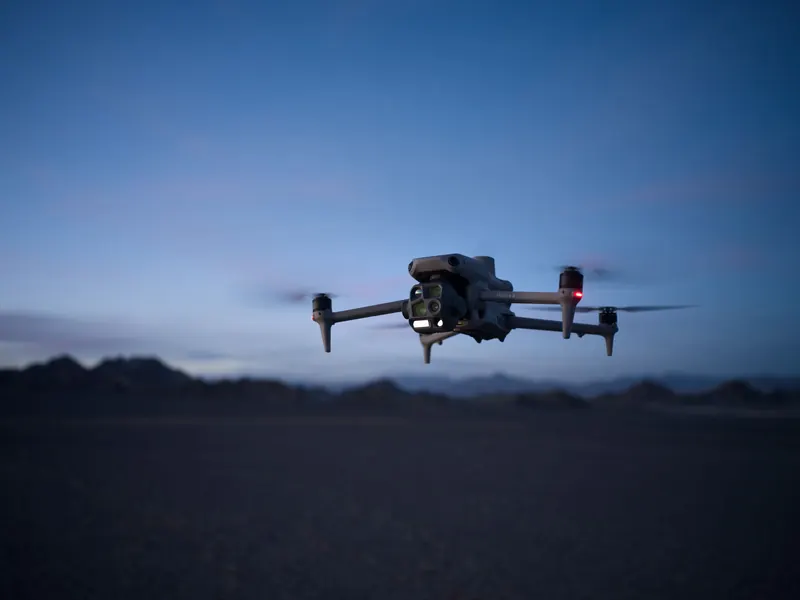
Some states allow a drone to find a deer you shot, under strict conditions; some prohibit it; in many the wildlife law does not say.
50 states · read and dated
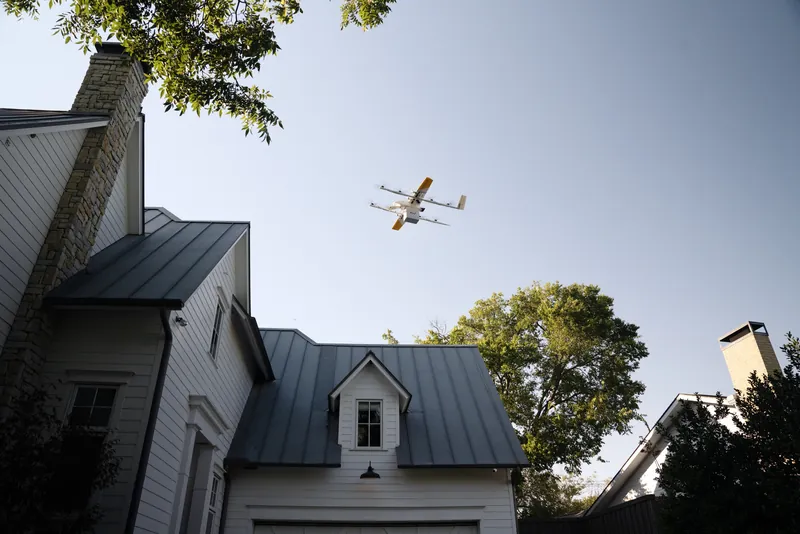
Five companies fly packages to homes in parts of 15 U.S. metro areas; a ZIP code shows who reaches you, then the fees and the FAA rules that allow it.
ZIP lookup · fees · Part 135
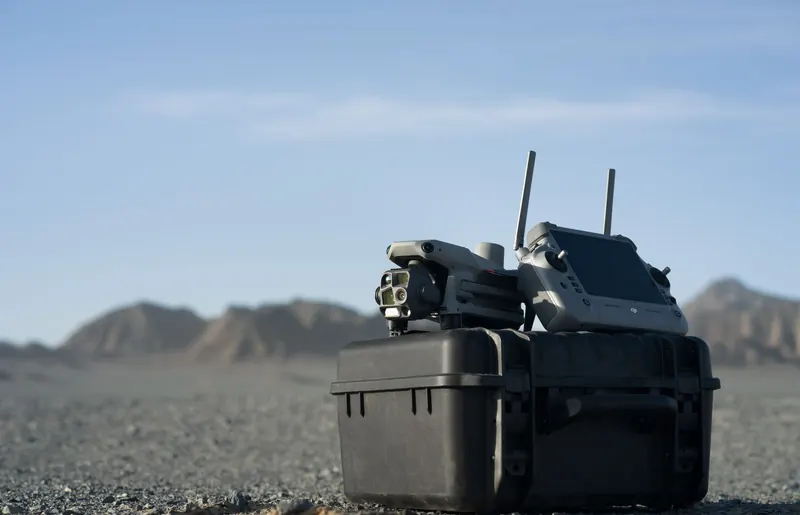
The certificate, registration and Remote ID before the first paid flight, then the steps the SBA and the IRS list for any new business.
Certificate · EIN · state tax ID
One row per guide; type a word to narrow the table, it searches the whole row.
| Kind of work | What it asks beyond the certificate | Last checked |
|---|---|---|
| Real estate photography | Authorization before flying near an airport in controlled airspace; the over-people rules for buyers, neighbors and passers-by, and limits over moving cars; anti-collision lighting for twilight and night shots; state privacy and trespass law. | |
| Inspections | A waiver to fly beyond visual line of sight; up to 400 feet above a tower's top within 400 feet of it; the over-people rules for workers on site; flight restrictions over security-sensitive sites, such as certain nuclear power plants; and the laws of 14 states on drones near critical infrastructure. | |
| Mapping and surveying | Selling a map as an authoritative survey can be land surveying, which state licensing law governs; the guide reads the national model law for state boards and the surveying laws of California, Florida and North Carolina. | |
| Agriculture and spraying | Spraying or spreading is an agricultural aircraft operation: an FAA exemption and a Part 137 operator certificate, and the pesticide label still governs. Applying restricted use pesticides from the air also takes an aerial applicator certification from a state or another certifying authority. | |
| Drone light shows | One pilot may fly only one drone at a time, so a show fleet flies under an FAA waiver of 14 CFR 107.35; anti-collision lights for night, the over-people rules for the crowd, and the 400-foot ceiling and weather minimums. | |
| Deer recovery | State wildlife law decides whether a drone may help find a deer you shot. Of the 50 states, 11 allow drone deer recovery with conditions and 10 prohibit it; in 23 the texts read leave it unclear, and in 6 no rule on it was found. | |
| Starting a drone business | The steps the SBA and the IRS list for any new business: a business structure, state or local registration (less than $300 in most cases, the SBA says), a free EIN, a state tax ID where the state asks for one, and licenses and permits. |
This section has no guide yet for public safety work such as search and rescue; the drone laws hub covers the rules public agencies fly under.
The FAA counts certificates and aircraft, and the BLS counts wage and salary jobs; neither FAA source says anything about pay.
Each figure comes from our guides with its date and what it counts. None is a promise of what any one pilot or drone business will earn, and no vendor's market forecast is printed here.
Remote pilots and drones: the FAA
| Figure: what the FAA counts | As of | What it covers |
|---|---|---|
| 493,396Remote pilots | End of 2025 | Everyone who passed the initial knowledge test, plus current pilots of crewed aircraft who took the online training instead; 78.0 percent hold only the Part 107 certificate (FAA forecast compendium) |
| 481,760Certificated remote pilots | No date on the page; read November 14, 2026 | As the FAA's numbers page shows them; it gives no date, so which of the two pilot counts is newer cannot be told |
| 424,516Active drones in the Part 107 registry | End of 2025 | Drones registered to fly under Part 107 and still active, about 24,000 more than a year earlier (FAA forecast compendium) |
| 837,513Drones registered | No date on the page; read November 14, 2026 | As the FAA's numbers page shows them, with no date |
| 628,600Remote pilots the FAA forecasts | 2030 | 28.0 percent above 2025; a count of certificates, not of jobs (FAA forecast compendium) |
| 540,845Active drones in the Part 107 registry, forecast | End of 2030 | The FAA's base case, 5.0 percent a year; 470,039 in the low case. The high case, 1,491,153, counts cumulative new registrations, not active aircraft (FAA forecast compendium) |
The FAA's counts of remote pilots and of drones registered for Part 107 flights, and its forecast for 2030: each figure with its date and what it covers.
Pay: the BLS
There is no official U.S. wage figure for “drone pilot”: the federal occupation list has no occupation by that name. It files the job title Unmanned Aerial Vehicle Operator under occupation 17-3024, beside every mechatronics, robotics and automation technician, so drone operators are an unknown share of its figures.
| Occupation | Median pay a year | Workers counted | Survey |
|---|---|---|---|
| 17-3024Electro-Mechanical and Mechatronics Technologists and Technicians | $73,900 | 15,520 | May 2025 |
| 27-4021Photographers | $44,660 | 51,760 | May 2025 |
| 19-4099Life, Physical, and Social Science Technicians, All Other | $62,280 | 73,910 | May 2025 |
| 53-2012Commercial Pilots (not drone pilots) | $123,220 | 47,630 | May 2025 |
The BLS rows of our drone pilot salary guide: Occupational Employment and Wage Statistics, May 2025 (six survey panels, November 2022 to May 2025; published May 15, 2026). National figures for wage and salary jobs; Commercial Pilots fly crewed aircraft and are not drone pilots.
The mean, the 10th and 90th percentiles and hourly pay for each code are in our drone pilot salary guide, last checked .
Electro-Mechanical and Mechatronics Technologists and Technicians. What it includes: The job title Unmanned Aerial Vehicle Operator, which the federal occupation list files here as a direct match, together with every mechatronics, robotics and automation technician. Drone operators are an unknown share.
What it leaves out: Self-employed workers: the survey counts wage and salary workers only.
Photographers. What it includes: All employed photographers, including aerial photographers, who may use drones.
What it leaves out: The 67 percent of photographers who are self-employed.
Life, Physical, and Social Science Technicians, All Other. What it includes: A catch-all code for science technicians not listed elsewhere. O*NET places Remote Sensing Technicians, whose tasks include operating sensors on drones, here, beside many unrelated technicians.
What it leaves out: Self-employed workers: the survey counts wage and salary workers only.
Commercial Pilots (not drone pilots). What it includes: Pilots of crewed airplanes on nonscheduled routes, and helicopter pilots. The job requires the FAA Commercial Pilot certificate.
What it leaves out: Drone operators: the definition excludes 17-3024, where they are coded. Not drone pilots; shown for comparison only.
This page picks no drone for business. The FAA's rules for registration and Remote ID set their conditions by weight, purpose and equipment, not by manufacturer, so the job decides the rules, and the aircraft are compared on their own pages.
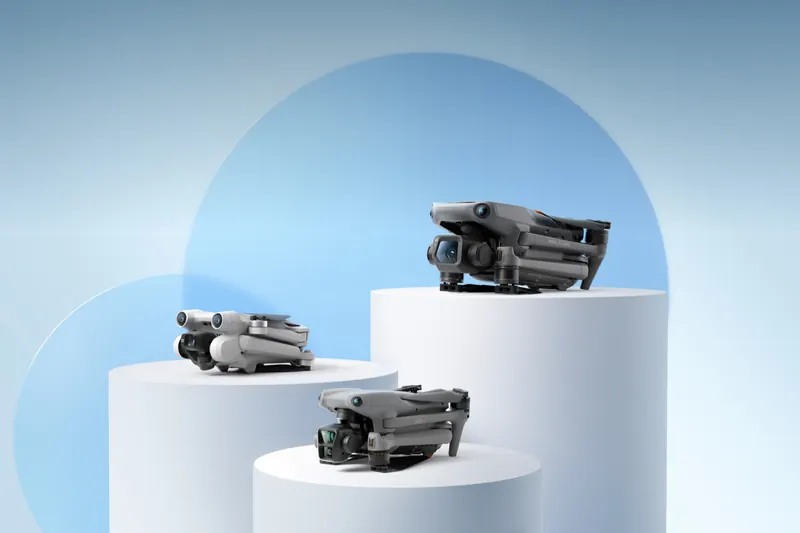
Weight at takeoff, minutes of flight time, wind rating and built-in Remote ID for each model, with the maker's U.S. page.
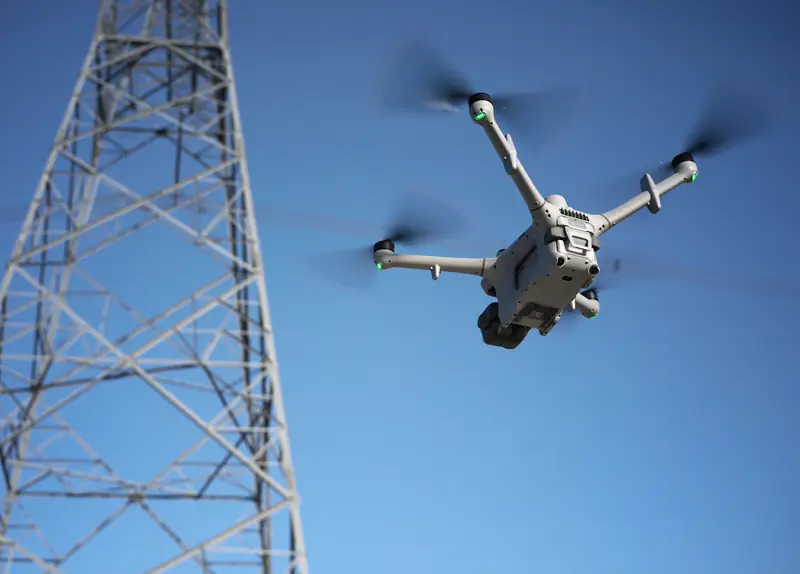
Four aircraft built for inspection work, with their cameras and sensors, as each maker describes them.
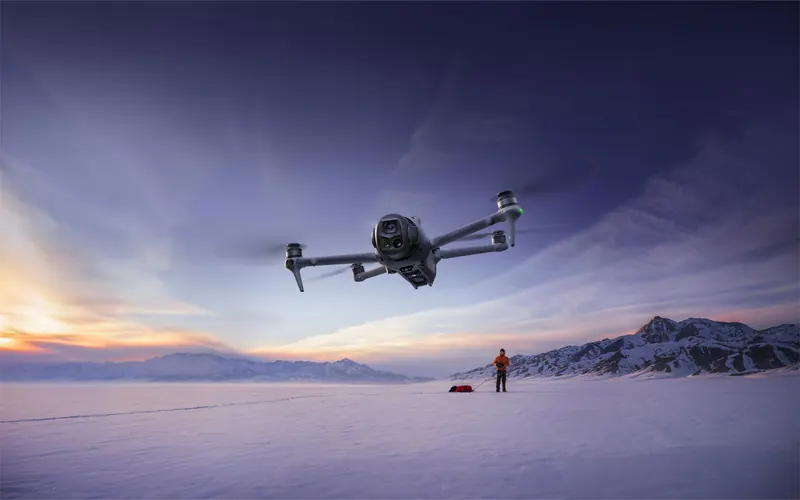
Camera specs as the makers print them.
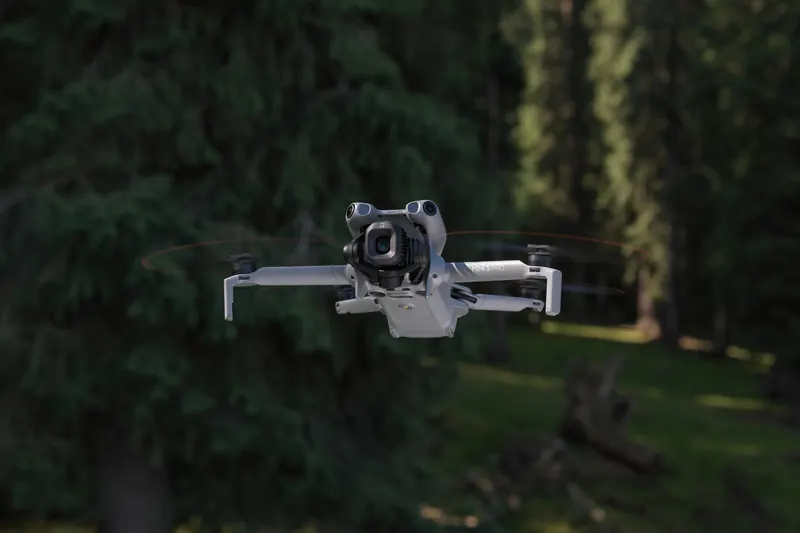
Picks for beginners, for a budget, under 250 grams and as DJI alternatives; none is picked for business.
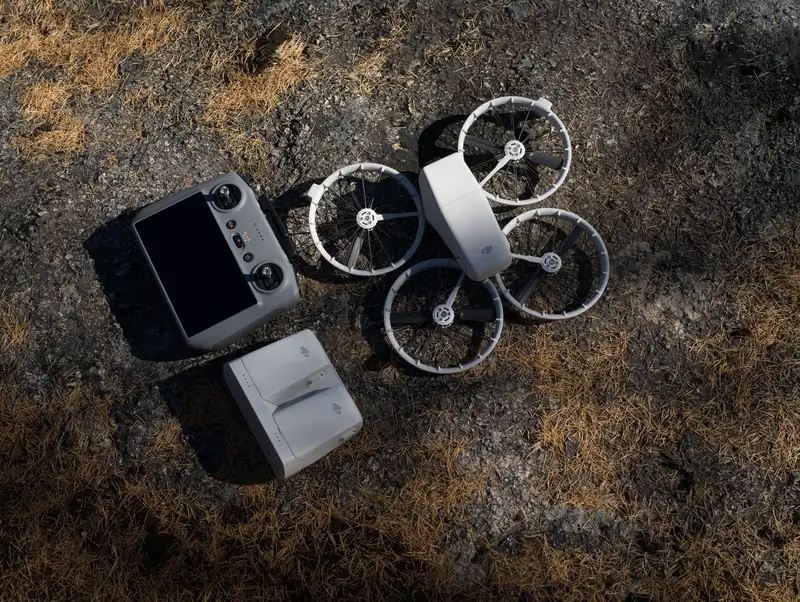
And the drone picker: two models side by side, or a short list from your answers.
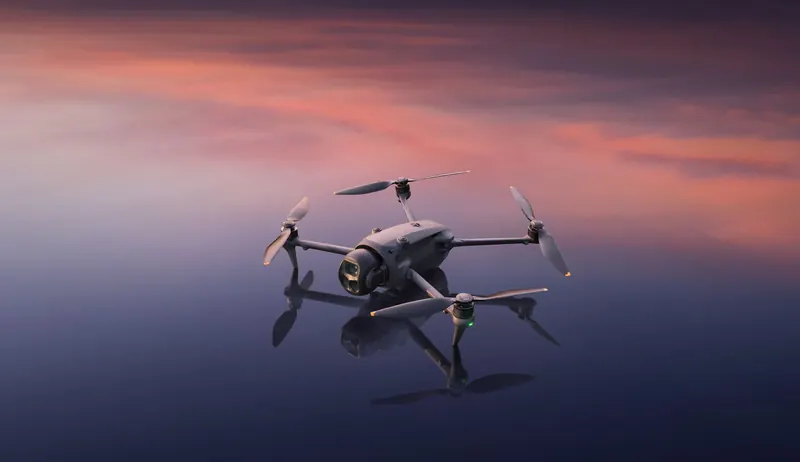
DJI drones and all foreign-produced drones have been on the FCC Covered List since December 22, 2025; models authorized earlier may still be imported and sold, and existing authorizations are not revoked.
The certificate, the rules for each flight, and your drone's paperwork.
Yes. A flight for compensation or in furtherance of a business is a Part 107 flight, and its remote pilot in command needs the FAA's remote pilot certificate: be at least 16, read, speak, write and understand English, and pass the knowledge test, about $175 at a test center. The drone license guide has each step.
The FAA's registration and Remote ID rules go by weight, purpose and equipment, not by maker, so a DJI drone flown for work meets the same Part 107 rules as any other. Whether a new DJI model can still be bought in the U.S. is the FCC's question, answered on our DJI ban page.
There is no official U.S. wage figure for “drone pilot”. The nearest BLS figures are in the table above, with what each occupation includes and leaves out; the FAA publishes nothing about pay.
Not on its own. Spraying or spreading is an agricultural aircraft operation under Part 137: the operator needs an FAA exemption and an operator certificate, and the pesticide label still governs. Our agriculture drones guide has the steps.
Flying and taking the photos is not land surveying in the reading of California's licensing board; selling a map as an authoritative survey can be, under state law. Our drone mapping guide quotes the model law and three states' laws.
Photos: DJI press images. Product photos by Wing and DJI. Wikimedia Commons: Grendelkhan (CC BY-SA 4.0). Flickr: bossco (CC BY-SA 2.0).