
DJI alternatives: the closest non-DJI drone for each DJI model
For a Mini 4 Pro, Mini 3 or Mini 5 Pro, the closest non-DJI drone on sale from its maker in the U.S. on November 14, 2026 was the Potensic ATOM 2; for a Neo, Neo 2 or Flip, a HOVERAir X1 PRO or PROMAX; for an Avata 2, the Antigravity A1.
- DJI models with a match
- 8of 11
- Makers of the alternatives
- 3
- Closest to a Mini 4 Pro: ATOM 2, Potensic's store
- $319.99
- Drones in DJI's own U.S. online store
- 0
Best non-DJI drones by DJI model: the DJI alternatives compared
For each DJI model, the closest camera drone from another maker that was on sale from its maker in the U.S. on November 14, 2026, and what you lose and gain, in numbers from the two spec sheets.
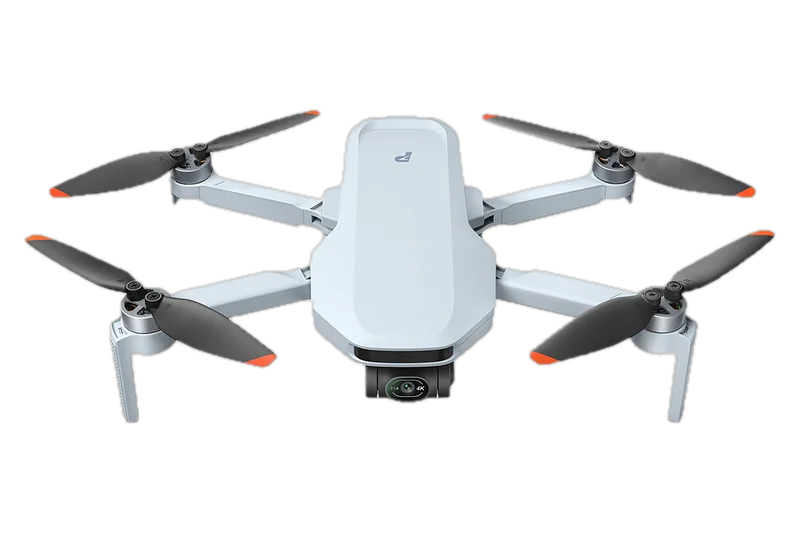 Remote ID built in
Potensic ATOM 2
The closest to three DJI Minis: a 1/2-inch 48 MP camera on a 3-axis gimbal, under 249 g, with its own Remote ID declaration.
- Maker's U.S. price
- $359.99 Standard Kit
- Flight time
- 32 min
- Weight at takeoff
- Under 249 g
- Remote ID
- Built in
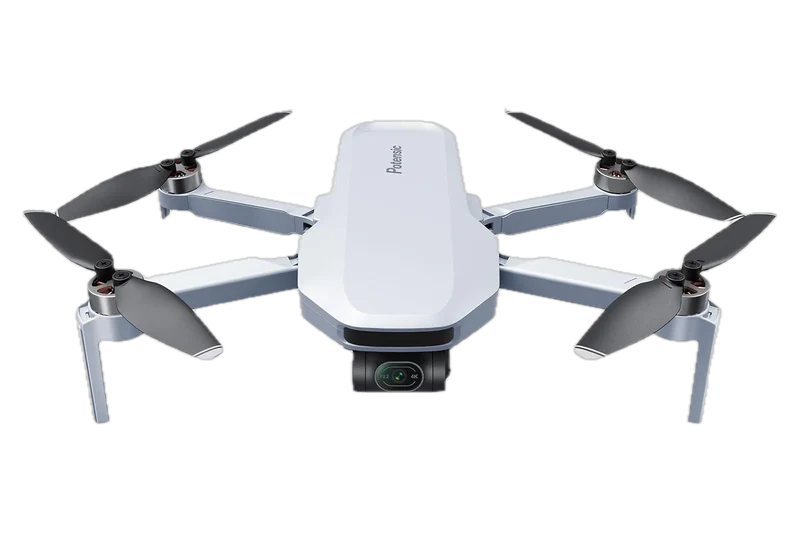
Potensic ATOM
A 3-axis gimbal and GPS like the Mini 4K's, and 1 minute more in the air.
- Maker's U.S. price
- $299.99 Standard Kit
- Flight time
- 32 min
- Weight at takeoff
- Under 249 g
- Remote ID
- No FAA declaration
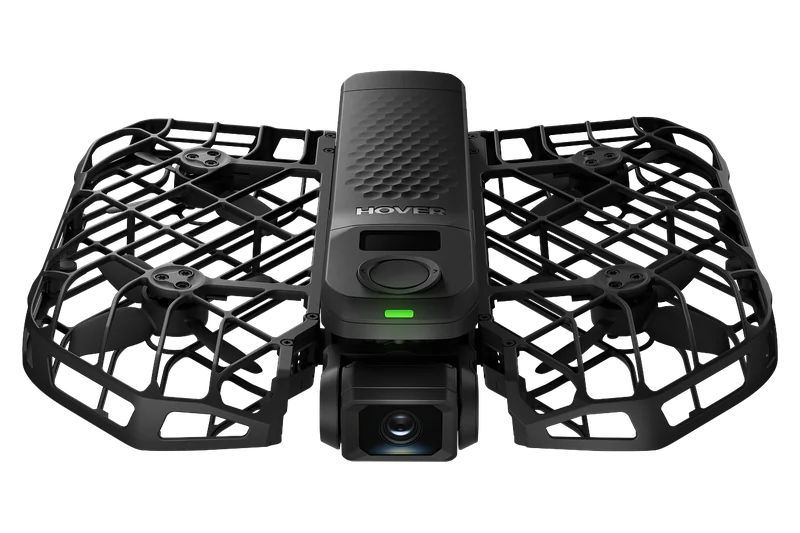
HOVERAir X1 PRO
A palm-sized drone with a Level 5 wind rating; no satellite positioning.
- Maker's U.S. price
- $499 Standard
- Flight time
- 16 min
- Weight at takeoff
- 192 g (6.8 oz)
- Remote ID
- Built in, maker's statement
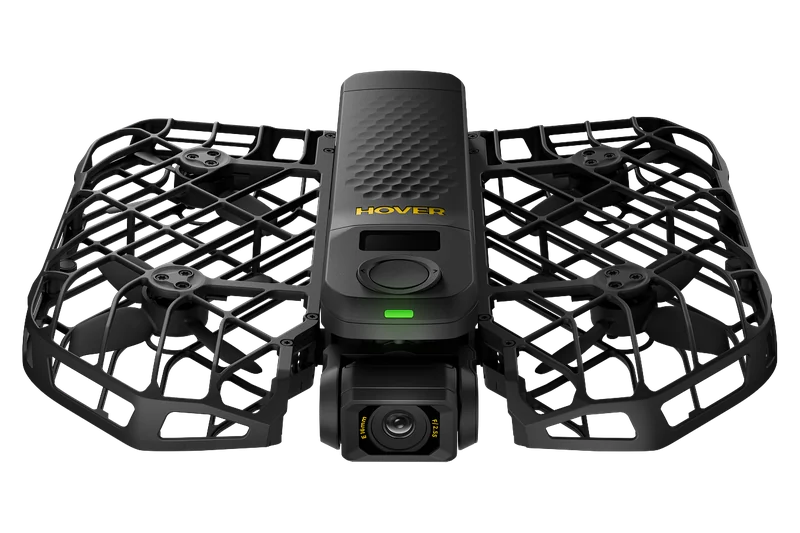
HOVERAir X1 PROMAX
The Flip's 1/1.3-inch sensor size and 8K video, with 15 minutes less in the air.
- Maker's U.S. price
- $699 Standard
- Flight time
- 16 min
- Weight at takeoff
- 192 g (6.8 oz)
- Remote ID
- Built in, maker's statement
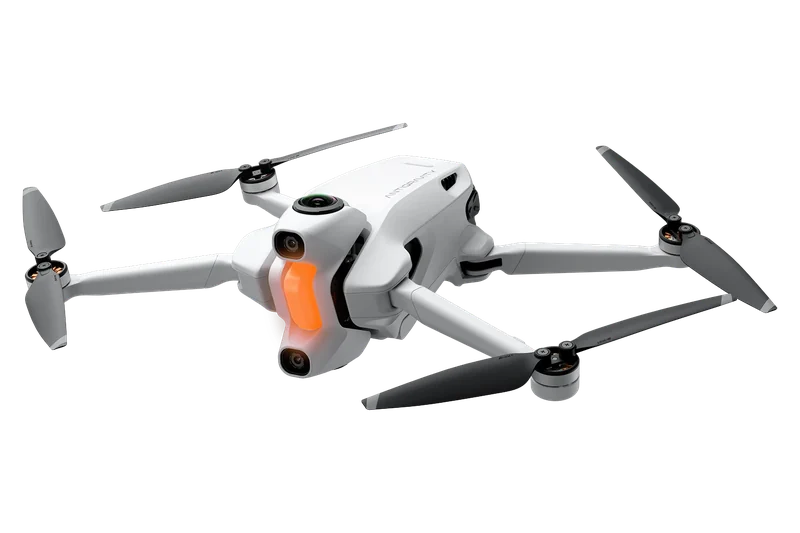
Antigravity A1
A 360-degree 8K camera at 249 g; Remote ID only with the heavier battery.
- Maker's U.S. price
- $1,599 Standard Bundle with goggles
- Flight time
- 24 min
- Weight at takeoff
- 249 g
- Remote ID
- Only with the High-Capacity battery
Three makers, five drones: Potensic for the Mini series, HOVERAir for the Neo and Flip, Antigravity for the Avata 2.
All eleven DJI models side by side: what DJI's U.S. page showed, the alternative, and what you lose and gain.
| DJI model | Instead | On sale from its maker in the U.S. | DJI's U.S. page | You lose | You gain | Remote ID of the alternative |
|---|---|---|---|---|---|---|
| DJI Mini 4 Pro | Potensic ATOM 2 | On sale from its maker in the U.S. on November 14, 2026: $359.99 Standard Kit on Potensic's page; $319.99 in Potensic's store | Last listed on DJI's U.S. page: $759 (DJI RC-N2), marked out of stock (read November 14, 2026) | Sensor size 1/1.3-inch to 1/2-inch; 2 min of flight time (34 min to 32 min); all-round obstacle sensing: Potensic says the ATOM 2 has no obstacle avoidance; transmission range 12.4 to 6.2 mi (20 to 10 km) | Remote ID on the standard battery | Built in (FAA declaration RID000002237) |
| DJI Mini 3 | Potensic ATOM 2 | On sale from its maker in the U.S. on November 14, 2026: $359.99 Standard Kit on Potensic's page; $319.99 in Potensic's store | Last listed on DJI's U.S. page: $419 (DJI RC-N1), marked out of stock (read November 14, 2026) | Sensor size 1/1.3-inch to 1/2-inch; 6 min of flight time (38 min to 32 min) | Remote ID on the standard battery | Built in (FAA declaration RID000002237) |
| DJI Mini 5 Pro | Potensic ATOM 2 | On sale from its maker in the U.S. on November 14, 2026: $359.99 Standard Kit on Potensic's page; $319.99 in Potensic's store | DJI has no U.S. page for it (read November 14, 2026) | Sensor size 1-inch to 1/2-inch; 4 min of flight time (36 min to 32 min); wind rating 26.8 to 23.6 mph; all-round vision sensing and forward LiDAR | Takeoff weight under 0.55 lb: under 249 g against 249.9 g | Built in (FAA declaration RID000002237) |
| DJI Mini 4K | Potensic ATOM | On sale from its maker in the U.S. on November 14, 2026: $299.99 Standard Kit on Potensic's page; $249.99 in Potensic's store | DJI's U.S. page marks it not for sale, with no price (read November 14, 2026) | Sensor size 1/2.3-inch to 1/3-inch; transmission range 6.2 to 3.7 mi (10 to 6 km) | 1 min of flight time (31 min to 32 min) | No FAA declaration |
| DJI Neo | HOVERAir X1 PRO | On sale from its maker in the U.S. on November 14, 2026: $499 Standard, HOVERAir's U.S. store | Last listed on DJI's U.S. page: $169 (No RC), marked out of stock (read November 14, 2026) | About 2 min of flight time (about 18 min to 16 min); about 57 g heavier: 192 g against about 135 g | Wind rating 17.9 to 23.9 mph (Level 4 to Level 5); built-in Remote ID; rear collision detection | Built in (maker's statement; FAA records not tied to the model) |
| DJI Neo 2 | HOVERAir X1 PRO | On sale from its maker in the U.S. on November 14, 2026: $499 Standard, HOVERAir's U.S. store | DJI has no U.S. page for it (read November 14, 2026) | About 3 min of flight time (about 19 min to 16 min); satellite positioning (GPS + Galileo + BeiDou); all-round vision sensing and forward LiDAR | Built-in Remote ID | Built in (maker's statement; FAA records not tied to the model) |
| DJI Flip | HOVERAir X1 PROMAX | On sale from its maker in the U.S. on November 14, 2026: $699 Standard, HOVERAir's U.S. store | Last listed on DJI's U.S. page: $439 (DJI RC-N3), marked out of stock (read November 14, 2026) | 15 min of flight time (31 min to 16 min); satellite positioning (GPS + Galileo + BeiDou) | 8K video against 4K; built-in Remote ID | Built in (maker's statement; FAA records not tied to the model) |
| DJI Avata 2 | Antigravity A1 | On sale from its maker in the U.S. on November 14, 2026: $1,599 Standard Bundle with goggles, Antigravity's U.S. buy page | DJI's U.S. page marks it not for sale, with no price (read November 14, 2026) | Remote ID broadcasts only with the High-Capacity battery, which takes it to 291 g (10.3 oz), over 0.55 lb | About 1 min of flight time (about 23 min to 24 min); takeoff weight under 0.55 lb: 249 g against about 377 g; 360-degree 8K camera (1/1.28-inch) | Only with the High-Capacity Flight Battery (FAA declaration RID000002621) |
| DJI Air 3S | No match we can put forward; the reason is below the table | Last listed on DJI's U.S. page: $1,099 (DJI RC-N3), marked out of stock (read November 14, 2026) | ||||
| DJI Mavic 4 Pro | No match we can put forward; the reason is below the table | DJI has no U.S. page for it (read November 14, 2026) | ||||
| DJI Mavic 3 Pro | No match we can put forward; the reason is below the table | Last listed on DJI's U.S. page: $2,199 (DJI RC), marked out of stock (read November 14, 2026) | ||||
- On sale from its maker in the U.S.: the maker's own U.S. page or U.S.-dollar store offered it, at the price shown, on the day we read it. It says nothing about FCC authorization or where the drone is made; the next section explains why that matters.
- DJI's U.S. page: what DJI's U.S. product page showed for the model. DJI's own U.S. online store lists no drones, so none of these is a price you can pay at DJI today.
- You lose, you gain: from the two makers' spec sheets, with flight time on the standard battery and wind ratings in mph. A weight difference under 50 g is left out unless it crosses the 0.55 lb line.
- Remote ID of the alternative: “FAA declaration” means the FAA has accepted a Remote ID declaration for that drone. “Maker's statement” means HOVERAir says the drone broadcasts Remote ID, and the FAA list's Zero Zero Robotics records do not name the model.
No match for an Air 3S or a Mavic
Nothing we could check matches an Air 3S or a Mavic. Why not
Why drone pilots are looking for alternatives to DJI
New DJI models cannot get FCC authorization, and DJI's own U.S. online store lists no drones. Drones people already own can still be flown.
Since December 22, 2025, DJI drones and all other foreign-produced drones have been on the FCC Covered List. The listing has two parts: one by place of production, which takes in every foreign-made drone, and one by maker, which names DJI and Autel under section 1709 of the FY2025 National Defense Authorization Act. New DJI models cannot get FCC authorization, so they cannot be legally marketed or imported in the U.S.; models authorized before the listing may still be imported and sold.
Other foreign drone makers can apply for an FCC Conditional Approval; no DJI product holds one. The exemptions for Blue UAS and U.S.-made drones, which run to January 1, 2028, do not cover section 1709 devices such as DJI's. DJI's U.S. site has no product page for the Mini 5 Pro, Neo 2 or Mavic 4 Pro.
The alternatives on this page are not a way around the listing. It covers every foreign-produced drone, and none of the three makers below holds a Conditional Approval. We did not research where each alternative is produced, or whether each model was authorized before the listing; what we checked is that its maker offered it for sale in the U.S. on the day we read the maker's page. The details are on our DJI ban page.
Alternatives to the DJI Mini series: DJI Mini 4 Pro, Mini 3, Mini 5 Pro and Mini 4K
For the DJI Mini series, the closest drones are from the Potensic ATOM series: the ATOM 2 for the Mini 4 Pro, Mini 3 and Mini 5 Pro, and the ATOM for the Mini 4K. Every one of them weighs under 249 g.
Instead of the DJI Mini 4 Pro: Potensic ATOM 2
The Potensic ATOM 2 lists at $359.99 for the Standard Kit on Potensic's page. Against the Mini 4 Pro you lose sensor size (1/1.3-inch to 1/2-inch, both 48 MP), all-round obstacle sensing (Potensic says the ATOM 2 has no obstacle avoidance), 2 minutes of flight time (34 to 32) and half the transmission range (20 km to 10 km). You gain Remote ID on the standard battery: DJI's manual says the Mini 4 Pro's built-in Remote ID is on only with the Intelligent Flight Battery Plus, while the ATOM 2 has its own FAA declaration (RID000002237). Both weigh under 249 g; the ATOM 2 has a 3-axis gimbal and a Level 5 wind rating. Our DJI Mini 4 Pro page has the full specs.
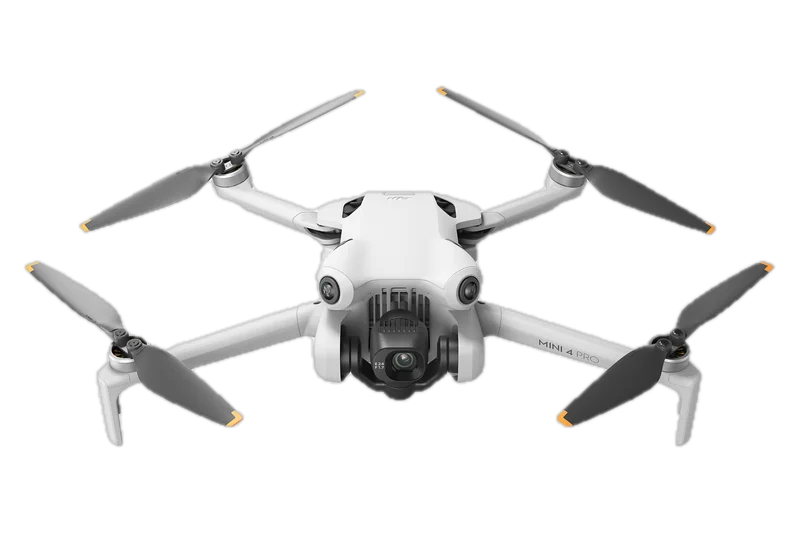
DJI Mini 4 Pro
34 min · 1/1.3-inch
Potensic ATOM 2
32 min · 1/2-inch
Instead of the DJI Mini 3 or Mini 3 Pro: Potensic ATOM 2
Against the Mini 3 you lose 6 minutes of flight time (38 to 32) and sensor size (1/1.3-inch to 1/2-inch); you gain Remote ID on the standard battery, since the Mini 3 broadcasts only with Battery Plus. Against the Mini 3 Pro the gap is 2 minutes (34 to 32), and both have built-in Remote ID. DJI's U.S. support page for the Mini 3 Pro shows no price.
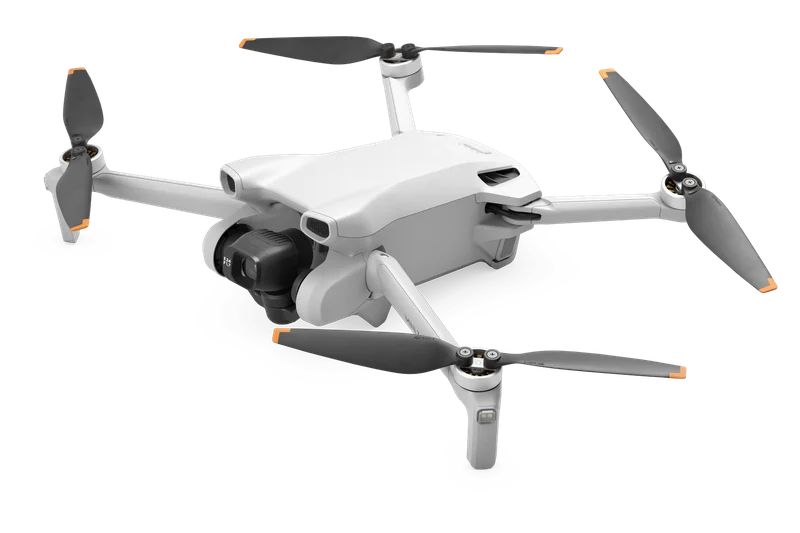
DJI Mini 3
38 min · 1/1.3-inch
Potensic ATOM 2
32 min · 1/2-inch
Instead of the DJI Mini 5 Pro: Potensic ATOM 2, the nearest by class
No alternative we checked under 250 g has a 1-inch sensor. Against the Mini 5 Pro, the ATOM 2 gives up half the sensor size (1-inch to 1/2-inch), all-round vision sensing and forward LiDAR, 4 minutes (36 to 32) and wind rating (12 m/s, 26.8 mph, against Level 5). It gains a listed takeoff weight under 0.55 lb: DJI lists the Mini 5 Pro at 249.9 g, plus or minus 4 g, and at the listed weight it is over the 249.48 g line, where a drone must be registered even when flown for fun.
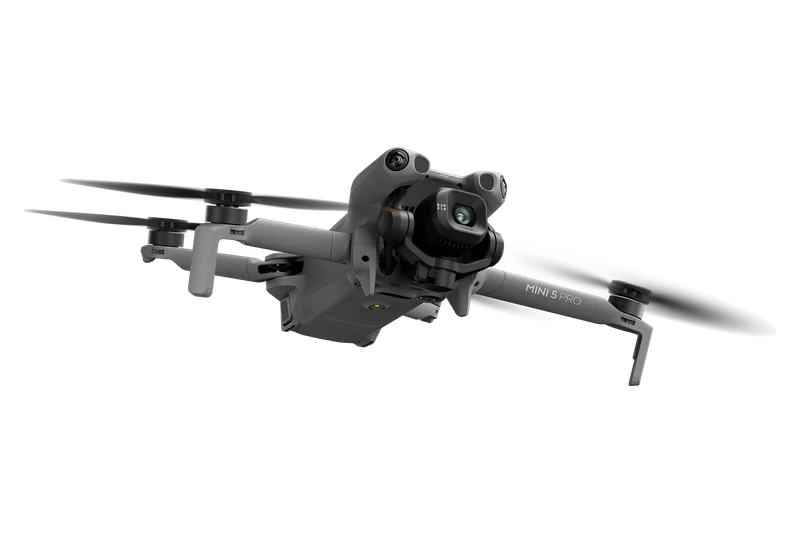
DJI Mini 5 Pro
36 min · 1-inch
Potensic ATOM 2
32 min · 1/2-inch
Instead of the DJI Mini 4K or Mini 2 SE: Potensic ATOM
The Potensic ATOM lists at $299.99 for the Standard Kit on Potensic's page. Against the Mini 4K you lose sensor size (1/2.3-inch to 1/3-inch) and range (10 km to 6 km); you keep a 3-axis gimbal and GPS and gain 1 minute (31 to 32). Neither has an FAA Remote ID declaration. DJI's U.S. page for the Mini 4K and Mini 2 SE, which share one spec table, marks them not for sale. The ATOM 2 is the step up, with a 1/2-inch sensor and built-in Remote ID.
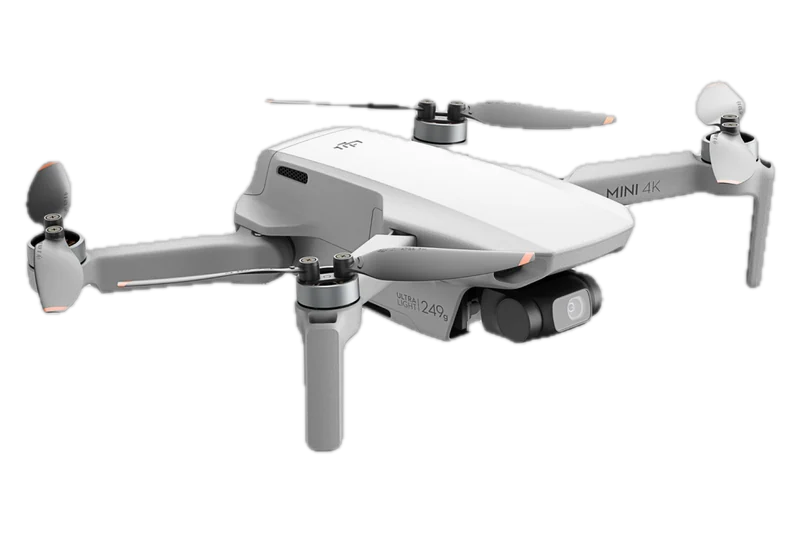
DJI Mini 4K
31 min · 1/2.3-inch
Potensic ATOM
32 min · 1/3-inch
Alternatives to the DJI Neo, Neo 2 and Flip: HOVERAir X1, X1 PRO and X1 PROMAX
For DJI's palm-sized camera drones the closest match is HOVERAir's X1 line. None of the three lists satellite positioning: they hold their place with cameras and sensors.
Instead of the DJI Neo: HOVERAir X1 PRO, or the X1 on a budget
The HOVERAir X1 PRO is $499 for the Standard in HOVERAir's U.S. store. Against the Neo you gain wind rating (Level 4 to Level 5), rear collision detection and HOVERAir's statement that it broadcasts Remote ID; you lose 2 minutes of flight time (about 18 to 16) and carry 57 g more (192 g against about 135 g). On a budget, the HOVERAir X1 Power Bundle at $299 holds two batteries; the X1 flies 11.5 minutes per battery and its height is capped at 33 ft.
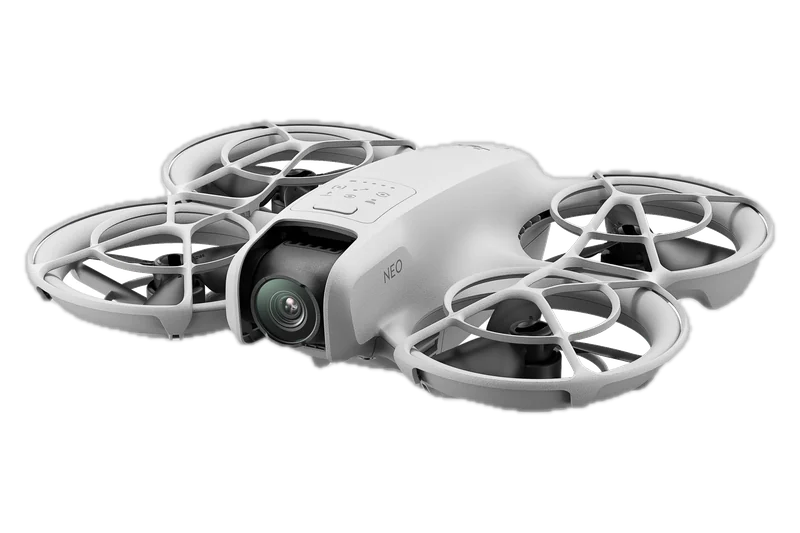
DJI Neo
About 18 min · about 4.8 oz
HOVERAir X1 PRO
16 min · 6.8 oz
Instead of the DJI Neo 2: HOVERAir X1 PRO
The Neo 2 lists GPS + Galileo + BeiDou and all-round vision sensing with forward LiDAR; the X1 PRO lists neither. You also lose 3 minutes (about 19 to 16); the wind rating is the same, Level 5. You gain a maker's U.S. price and HOVERAir's Remote ID statement. DJI's U.S. site has no product page for the Neo 2.
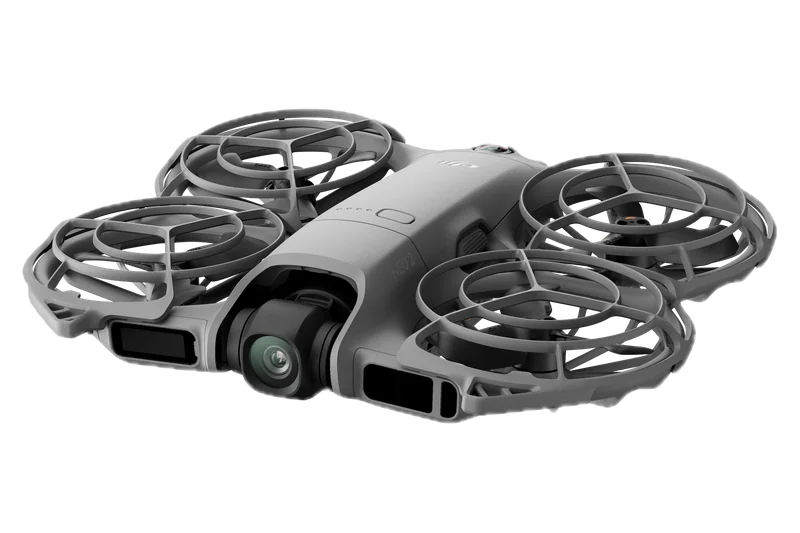
DJI Neo 2
About 19 min · 5.3 oz
HOVERAir X1 PRO
16 min · 6.8 oz
Instead of the DJI Flip: HOVERAir X1 PROMAX
The X1 PROMAX is $699 for the Standard in HOVERAir's U.S. store. It has the same 1/1.3-inch sensor size as the DJI Flip and adds 8K video and HOVERAir's Remote ID statement; you lose 15 minutes of flight time (31 to 16) and satellite positioning.
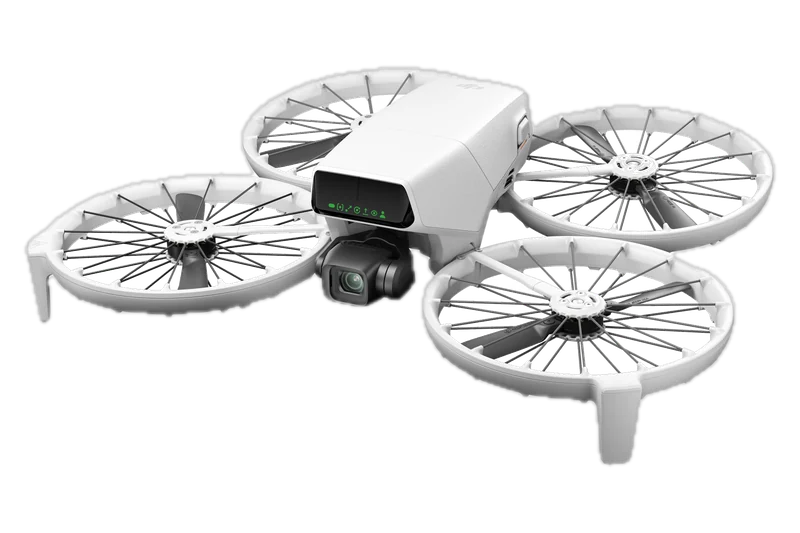
DJI Flip
31 min · 4K
HOVERAir X1 PROMAX
16 min · 8K
An alternative to the DJI Avata 2: Antigravity A1
The Antigravity A1 carries a 360-degree 8K camera at 249 g, but it broadcasts Remote ID only with a battery that takes it over 0.55 lb.
The Antigravity A1 Standard Bundle (drone, goggles, motion controller and one battery) is $1,599 on Antigravity's U.S. buy page; DJI's U.S. page marks the Avata 2 not for sale. Against the Avata 2 you gain 1 minute (about 23 to 24), a 360-degree 8K camera on a 1/1.28-inch sensor, and a takeoff weight under the 0.55 lb line: 249 g against about 377 g.
The catch is Remote ID. The A1 has an FAA declaration (RID000002621), but Antigravity's U.S. FAQ says that with the standard battery Remote ID broadcast is not required, and with the High-Capacity battery ($149.99) it is enabled automatically. That battery takes the A1 to 291 g, over 0.55 lb, so with it the A1 must be registered even when flown for fun. Antigravity's A1 page says the drone is “Co-Engineered With Insta360”.
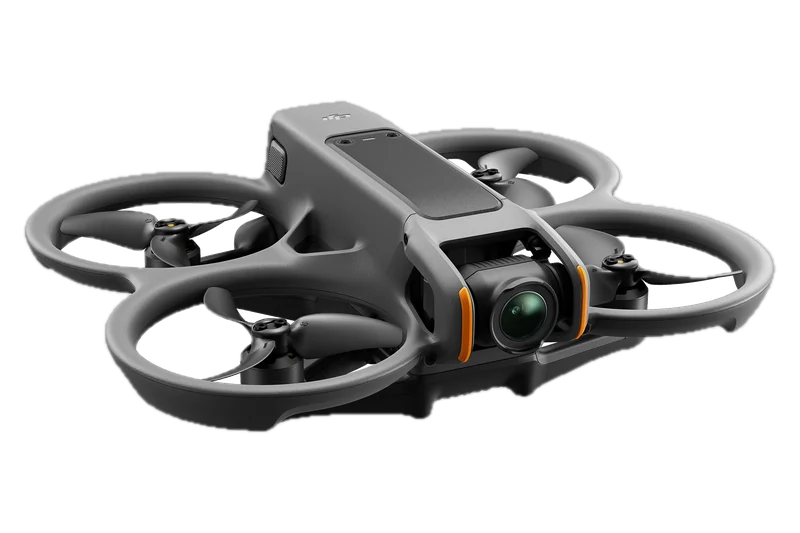
DJI Avata 2
About 23 min · over 0.55 lb
Antigravity A1
24 min · under 0.55 lb
when flying for fun
249 g
291 g
about 377 g
The makers' takeoff weights. With the standard battery the A1 is under the line; the battery that turns on its Remote ID takes it over.
Air 3S and Mavic: no non-DJI match we can put forward
Over 0.55 lb, with a 1-inch or larger sensor and 43 minutes or more: no non-DJI drone on its maker's own U.S. page matches that class.
The DJI Air 3S (724 g, 45 minutes, a 1-inch 50 MP main camera), Mavic 4 Pro (about 1,063 g, 51 minutes, 4/3 CMOS 100 MP) and Mavic 3 Pro (958 g, 43 minutes, 4/3 CMOS 20 MP) sit in a class over 0.55 lb, with a 1-inch or larger sensor and 43 minutes or more. No non-DJI drone we could read on its maker's own U.S. page matches it. The makers the top search results offer here are Autel, which the law names with DJI under section 1709, and Specta; both are in the left-out list below. All three DJI models have FAA Remote ID declarations.
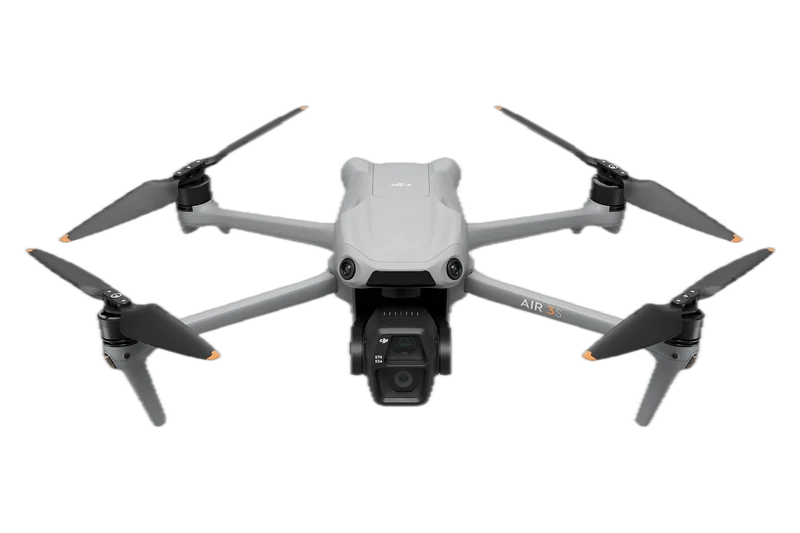
DJI Air 3S
25.5 oz · 45 min · 1-inch
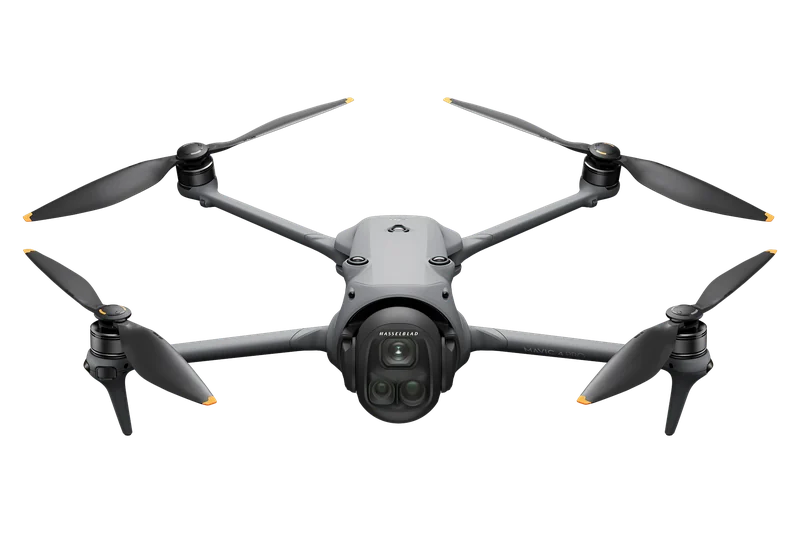
DJI Mavic 4 Pro
About 37.5 oz · 51 min · 4/3
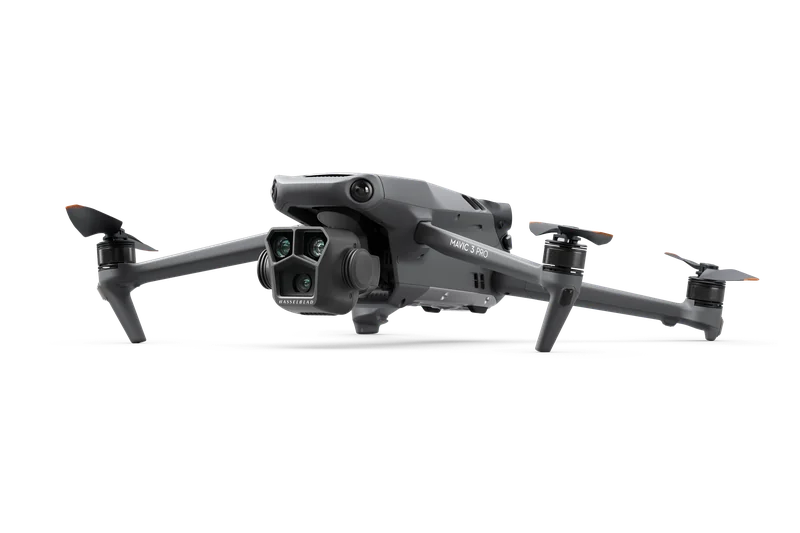
DJI Mavic 3 Pro
33.8 oz · 43 min · 4/3
Who makes the non-DJI drones, and where they say they are based
Each maker in its own words, from its contact, about or legal pages. None of the three is on the FCC's list of UAS Conditional Approvals.
| Maker | Its drones on this page | Where it says it is based | FCC's UAS Conditional Approvals list |
|---|---|---|---|
| Potensic | Potensic ATOM 2, Potensic ATOM | Potensic gives its address in Tuen Mun, New Territories, Hong Kong; its terms are governed by the laws of “Hong Kong, China”. | Not on it (list updated November 6, 2026; read again November 14, 2026) |
| Zero Zero Robotics (HOVERAir) | HOVERAir X1 PRO, HOVERAir X1 PROMAX, HOVERAir X1 | HOVERAir's maker, Zero Zero Robotics, says it is headquartered in Hangzhou, China, with an office in San Francisco. | Not on it (list updated November 6, 2026; read again November 14, 2026) |
| Antigravity | Antigravity A1 | Antigravity's U.S. privacy policy names PixelSpace Technology Pte Ltd, Singapore; the A1 page says “Co-Engineered With Insta360”. | Not on it (list updated November 6, 2026; read again November 14, 2026) |
Choosing a DJI alternative: NDAA, Blue UAS and what they mean for you
Both are about what the government buys and flies. For a hobby pilot, the FAA rules are the same for every drone.
“NDAA compliant” is a label makers put on their drones; the law behind it does not use the phrase. Section 848 of the FY2020 National Defense Authorization Act bars the Secretary of Defense from buying or operating drones made in the People's Republic of China, or that use hardware and software from there: flight controllers, radios, data transmission devices, cameras, gimbals, ground control or operating software, network connectivity or data storage. It sets no rule for private pilots. The American Security Drone Act bars federal agencies from buying, and since December 22, 2025 from operating, drones from covered foreign entities; it binds government agencies and federally funded buyers, not private owners.
Blue UAS is a list of commercial drones that the Defense Innovation Unit describes as “vetted for US Government use”. DIU says the list is moving to the Defense Contract Management Agency, and we could not read the new list, so a maker's “Blue” label is its own claim. Blue UAS drones are exempt from the FCC listing until January 1, 2028.
Do you need an NDAA-compliant drone?
Not as a hobby pilot. Registration, TRUST and Remote ID apply the same way to every drone, and none of them depends on NDAA or Blue UAS status.
Non-DJI drones for work: mapping, inspection and public safety
The top results also name drones for work. We list their makers, where each says it is based, and their FAA Remote ID records; we did not compare their specs.
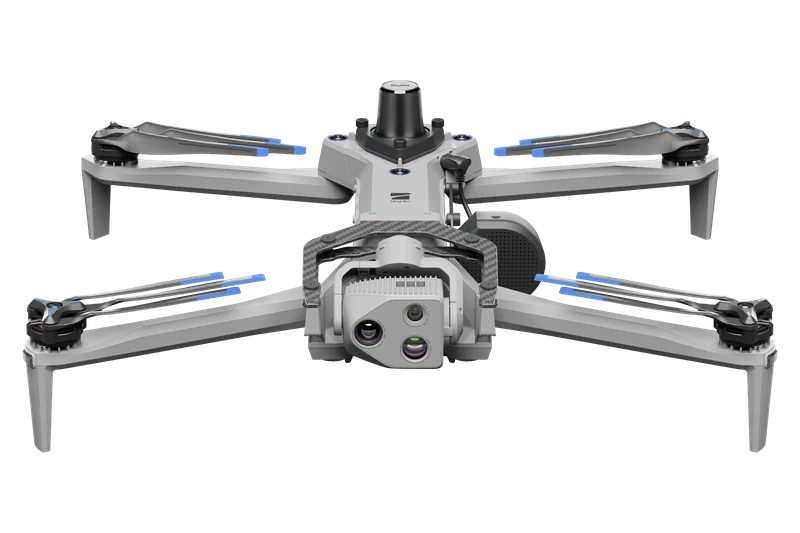
Skydio X10
Skydio, with its headquarters in San Mateo, California.
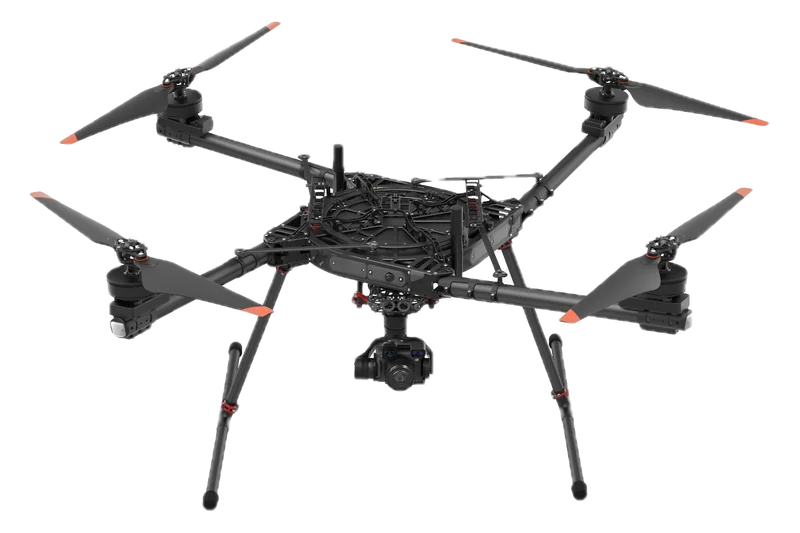
Freefly Alta X
Freefly Systems: designed, built and supported in Woodinville, Washington.
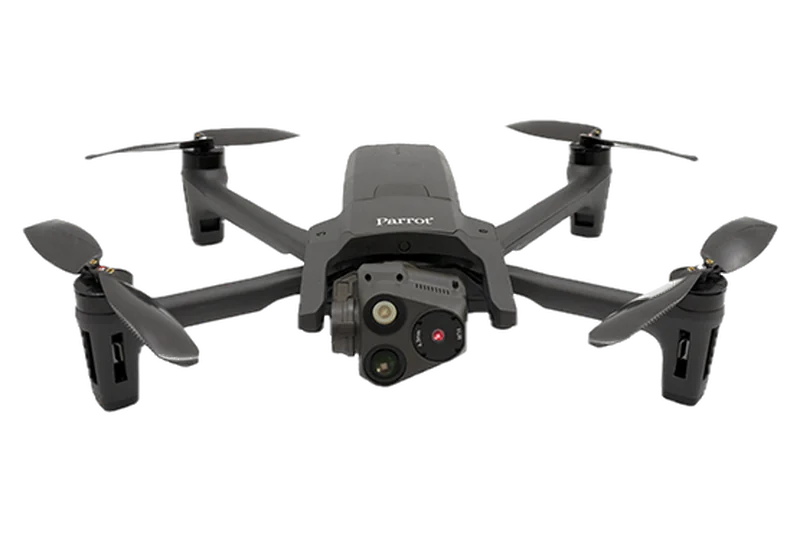
Parrot ANAFI USA
Parrot, listed on Euronext Paris.
| Drone | Maker | Where the maker says it is based | FAA Remote ID records |
|---|---|---|---|
| Skydio X10 | Skydio | Headquarters in San Mateo, California | RID000000749 and RID000000750 (Skydio X10E SR47P) |
| Freefly Astro | Freefly Systems | Designed, built and supported in Woodinville, Washington | RID000001240 |
| Freefly Alta X | Freefly Systems | Designed, built and supported in Woodinville, Washington | RID000001242 (Alta X), RID000002659 (Alta X Gen2); module RID000001225 |
| BRINC Responder | BRINC | Headquarters in Seattle, Washington | RID000002190 (BRINC RESPONDER) |
| EagleNXT eBee X | EagleNXT | An address in Allen, Texas | Broadcast module records for the “eBee X series”, among them RID000000056 |
| WingtraRAY | Wingtra | Headquarters in Zurich, Switzerland | RID000002590 |
| Parrot ANAFI USA | Parrot | Not stated; Parrot is listed on Euronext Paris | RID000000068 |
| Parrot ANAFI Ai | Parrot | Not stated; Parrot is listed on Euronext Paris | RID000000067 |
For comparison, DJI's Mavic 3 Enterprise, which the top results also name, weighs 915 g (32.3 oz) with propellers and flies 45 minutes; its FAA declaration is RID000000019. Under Part 107, work flights need a registered drone at any weight.
Drone alternatives we left out, and why
Named in the law with DJI, named in an FCC proposal, no figures to compare, or not an alternative to a DJI model.
-
Autel EVO Max 4T and EVO Lite+
The law names Autel with DJI under section 1709, so Autel sits in the same part of the FCC listing as DJI. The FAA list has declarations under the names “EVO Max” (RID000000151 and RID000002673) and “EVO Lite+” (RID000000035).
Section 1709 -
Anzu Raptor and Raptor T
The FAA list has declarations for both (RID000001035 and RID000001036). We leave them out because the FCC proposed on August 10, 2026 to end imports and sales of Anzu Robotics drones; see our DJI ban guide.
FCC proposal -
Skyrover S1 and X1
The FAA list of Remote ID declarations has no record for either (read November 14, 2026). We leave them out because the FCC's July 2026 proposal to end imports and sales of previously authorized drones (DA 26-742) names the company behind the Skyrover X1; see our DJI ban guide.
FCC proposal -
Specta Mini and Air
The FAA list has no record for a Specta Mini; it has one for a SPECTA “AIR” (RID000001140, read November 14, 2026). We leave them out because the same FCC proposal (DA 26-742) names the company behind the Specta Air; see our DJI ban guide.
FCC proposal -
ACSL SOTEN
It has an FAA declaration (RID000001258), but the maker's product page returned an error when we read it, so we have no figures to compare.
No figures -
DJI Matrice and Potensic ATOM SE
The Matrice is a DJI family. The ATOM SE is on our best budget drones list; here the ATOM covers the Mini 4K.
Not an alternative
Registration and Remote ID: the same rules for every maker
FAA rules on registration and Remote ID depend on weight, purpose and equipment, not on who made the drone.
-
Do I have to register?
FAA registration: over 0.55 lb, or for work
$5 for 3 yearsA drone flown only for fun at 0.55 lb (249.48 g) or less at takeoff needs no FAA registration. All other drones must be registered: $5, for three years.
-
Remote ID
Remote ID for a drone that must be registered
Built in or a moduleThe Remote ID rules apply to any drone that is registered or required to be. A drone without built-in Remote ID can comply with a broadcast module that has an FAA-accepted declaration.
-
TRUST certificate
TRUST for every recreational flyer
FreeEvery recreational flyer must take TRUST, the FAA's free online test.
So the A1 with its High-Capacity battery needs registration and Remote ID even for fun, and the Mini 5 Pro's listed weight, 249.9 g plus or minus 4 g, crosses the line; the ATOM, ATOM 2 and X1 line are listed under it.
Check where you can fly your drone
Whoever made it, check the spot before you fly.
Can I fly here?
Our flight check takes a place and a drone and gives one verdict with its reasons: no-fly zones, airspace, the ceiling, wind against the drone's rating, and daylight.
Check where you can fly itRelated pages
The other lists, the DJI ban, a DJI model page, and the tools that pick and compare drones.
DJI alternatives FAQ
Who is DJI's biggest competitor?
We do not rank makers by sales. Model by model, the closest consumer drones are Potensic's (for the Mini series), HOVERAir's (for the Neo and Flip) and Antigravity's (for the Avata 2).
Is DJI still getting banned?
New DJI drones cannot get FCC authorization. Models authorized earlier may still be sold and flown, and no FCC proposal to end drone imports had become final as of the November 6, 2026 Covered List update.
Why did the U.S. list DJI drones?
An interagency body found on December 21, 2025 that foreign-produced drones and all section 1709 equipment pose unacceptable risks. The FCC added them to its Covered List the next day.
Is Autel better than DJI?
As a DJI alternative, Autel is no way around the listing: the law names Autel with DJI under section 1709, and both sit in the same part of the FCC Covered List.
Do I need an NDAA-compliant drone?
Not as a hobby pilot. Section 848 and the American Security Drone Act are buying rules for the Secretary of Defense, government agencies and federally funded buyers; the FAA rules for you are registration, TRUST and Remote ID.
Can I still fly my DJI drone?
Yes. The FCC says even its proposed bans would not affect continued use of drones people already bought.
Sources Named, not linked.
Documents are named, not linked. Each was read on November 13 and 14, 2026; every price, the makers' stores, DJI's U.S. pages and store, the FAA list of Remote ID declarations and the FCC Covered List page were read again on November 14, 2026. Page checked November 14, 2026.
Makers' pages and stores
- Potensic ATOM and ATOM 2 product and specs pages, Potensic store (U.S. dollars), Potensic Contact page and Potensic Terms of Use
- HOVERAir U.S. store, HOVERAir X1 PRO and PROMAX page, HOVERAir article on Remote ID for the X1 PRO and PROMAX and HOVERAir About page
- Antigravity A1 page, specs and buy pages (U.S.) and Antigravity privacy policy (U.S.)
- Skydio X10 page, Freefly Astro and Alta X pages, BRINC About page, EagleNXT eBee X page, Wingtra About page and Parrot corporate page
DJI
- DJI Mini 4 Pro, Mini 3, Mini 2 SE / Mini 4K, Neo, Flip, Avata 2, Air 3S and Mavic 3 Pro product and specs pages (U.S.) and DJI Mini 3 Pro support page (U.S.)
- DJI Mini 5 Pro, Neo 2 and Mavic 4 Pro specs pages (U.K.) and DJI Mavic 3 Enterprise specs page
- DJI Mini 4 Pro User Manual v1.4 and DJI U.S. online store
FAA and regulations
- FAA UAS Declaration of Compliance list: Remote ID declarations
- FAA How to Register Your Drone page and FAA Recreational Flyers page
- 14 CFR 48.15, 14 CFR 89.101 and 14 CFR 89.115
FCC and laws
- FCC Public Notice DA 25-1086, FCC Covered List page, with its UAS Conditional Approvals, FCC 26-50, FCC Public Notice DA 26-22, FCC Public Notice DA 26-742 and FCC Public Notice DA 26-832
- Public Law 116-92 (FY2020 National Defense Authorization Act), section 848, Public Law 118-159 (FY2025 National Defense Authorization Act), section 1709 and Public Law 118-31, American Security Drone Act
- Defense Innovation Unit Blue UAS and Blue UAS Cleared List pages